
Stage Review - Love/Sick (Olympia Little Theatre)
Stage Review - Love/Sick
Presented By: Olympia Little Theatre - Olympia, WA
Show Run: April 24 - May 10, 2026
Date Reviewed: Friday, May 08, 2026 (Closing Weekend)
Run Time: 2 Hours (including a 15-minute intermission)
Reviewed by: Greg Heilman
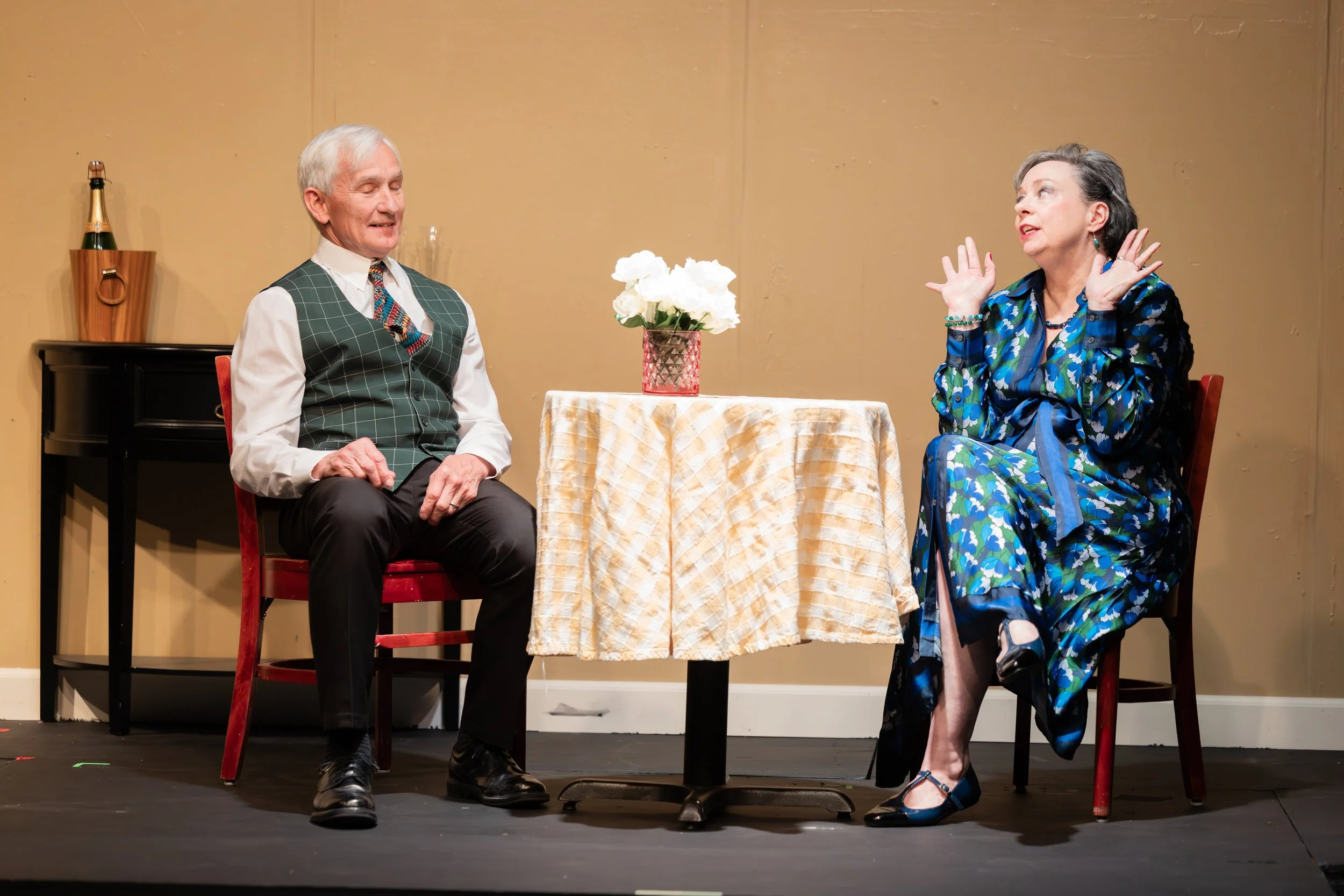
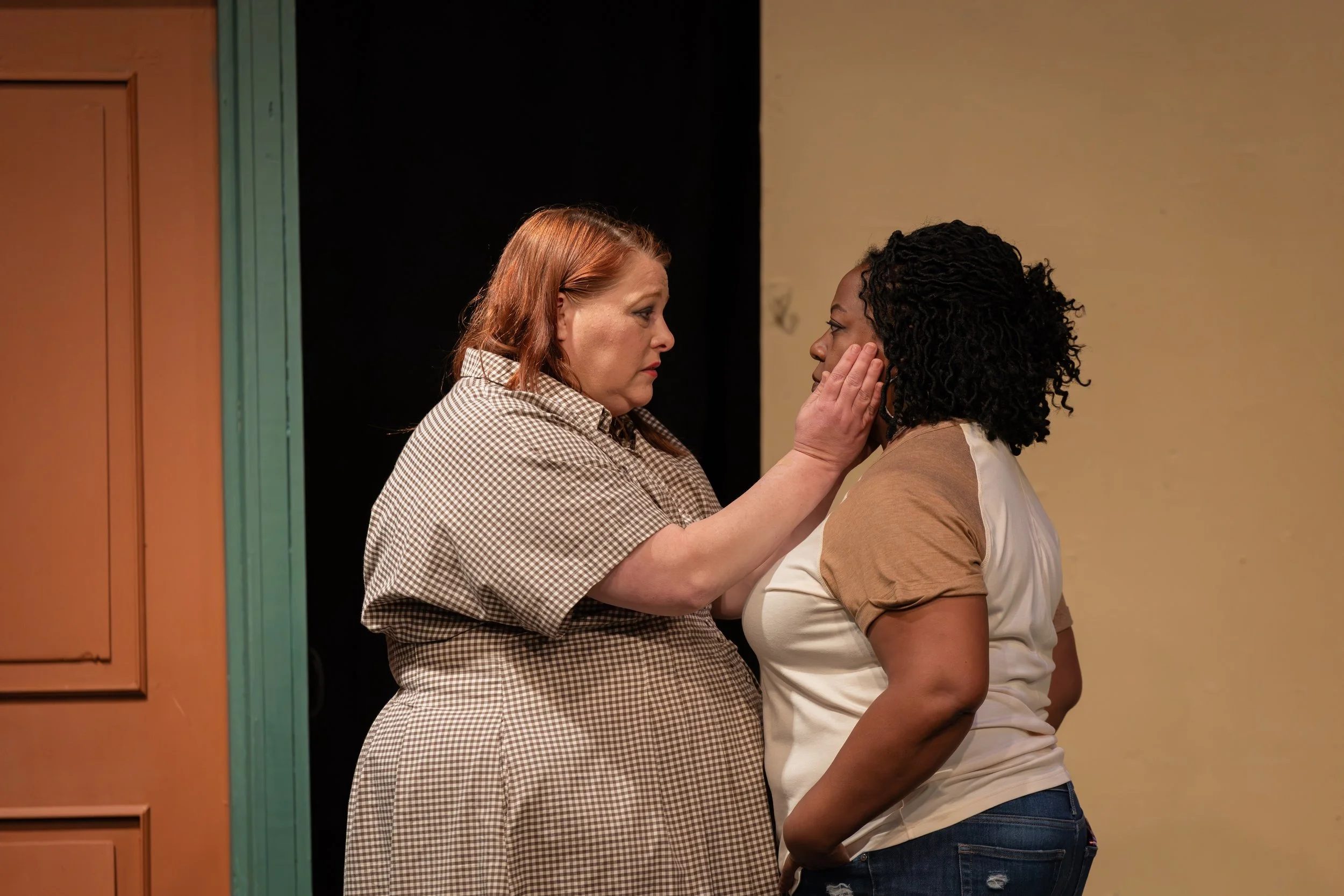
Olympia Little Theatre’s production of Love/Sick, directed by Kathy Dorgan and running through May 10, takes John Cariani’s collection of interconnected relationship stories and turns them into something both sharply funny and unexpectedly reflective. Written as a companion piece to Almost, Maine, the play trades whimsical romance for a more cynical, contemporary examination of love, insecurity, heartbreak, and emotional survival. Structured as a series of vignettes featuring couples at different stages of connection and collapse, the play explores not only conflict, but also the healing and vulnerability that relationships demand. The Olympia Little Theatre production itself proves somewhat uneven in pace, chemistry, and emotional investment at times, but when it finds its footing, it becomes genuinely compelling theatre.
That inconsistency is perhaps inevitable in a piece constructed around so many individual scenes and pairings. Some vignettes feel fully lived in, emotionally grounded, and rhythmically confident, while others feel less like polished portrayals of real relationships and more like the random pairing of actors in a large acting class, with less consideration given to age compatibility or interpersonal chemistry. Still, even in the scenes that land less effectively, Cariani’s writing contains enough recognizable truths about human connection that there is likely going to be something here for anyone who has ever navigated the complications of a relationship. The production’s stronger moments are strong enough that they elevate the evening as a whole.
Among the standout scenes is the opening vignette, “Obsessive Impulsive,” featuring Alex Tracy and Anne Tracy. The pair establish an immediate rhythm, speaking with a synchronized confidence that captures the frantic emotional momentum of two people diving headfirst into attraction. Their timing and energy create one of the evening’s strongest openings and immediately demonstrate how effective the material can be when the chemistry clicks naturally. Amanda Nixon and Doug Zhang similarly bring strong emotional grounding to “The Answer,” finding both humor and sincerity in the awkward emotional terrain their characters navigate.
“Lunch and Dinner,” featuring Chris Stanley and Amanda Nixon, becomes one of the evening’s most emotionally engaging sequences, largely because of how believable the connection between the two actors feels. There is an ease to their interactions that allows the humor and frustration to emerge naturally, rather than feeling overly performed. The scene captures the exhaustion, affection, and lingering tension that can exist inside long-term relationships with a realism that some of the evening’s other vignettes struggle to maintain. Likewise, “Sick of This” stands out as one of the production’s more emotionally mature pieces, with Christine Goode and Andrea Weston-Smart exhibiting the vulnerability and accumulated fatigue of a relationship under strain.
One of the production’s strengths is its willingness to embrace discomfort. Cariani’s writing often lives in awkward silences, emotional overreactions, insecurity, and failed communication, and Kathy wisely allows many of those moments to breathe rather than rushing toward easy punchlines. The humor throughout the evening tends to emerge less from overt comedy and more from recognition, from the audience seeing pieces of themselves or people they know reflected back at them. That relatability ultimately becomes the production’s greatest asset. Even when a particular vignette lacks the chemistry or emotional weight necessary to fully land, the ideas behind it remain accessible.
Technically, the production keeps the staging relatively simple, an understandable decision given the number of scene changes and relationship shifts required. Elijah Bellis’ lighting design helps establish tonal distinctions between vignettes, while Jay Spivak’s musical interludes provide connective tissue between scenes and help smooth transitions. That said, the addition of the live musical sequences also creates one of the production’s more noticeable logistical issues. The Olympia Little Theatre website lists the runtime at approximately 80 minutes, while the program lists the production at two hours including intermission, a substantial difference largely attributable to the expanded musical transitions. Whether this adjustment occurred late in the production process or not, consistency in publicly communicated runtime becomes important, particularly for audiences planning around show length. Jay’s performances themselves are pleasant and effective atmospherically, though the staging of those moments could benefit from reconsideration in Olympia Little Theatre’s thrust configuration. Entering from the same area as the audience causes him to spend much of the interstitial performance facing toward the stage and away from a large portion of the house. Entering instead from upstage or through the rear performance space would likely create a more integrated visual experience for the audience while maintaining the intended flow between scenes.
What makes Love/Sick resonate is not that it presents idealized romance, but that it acknowledges how messy, frustrating, and imperfect relationships often are. People say the wrong things, misunderstand each other, cling too tightly, or fail to communicate entirely, yet beneath all of that remains a desire for connection that feels deeply human. By the end of the evening, as the production draws its emotional threads together, the cumulative effect becomes clearer. Even the scenes that may not fully succeed theatrically still contribute to the larger emotional mosaic Cariani is building. Olympia Little Theatre’s production may fluctuate in consistency, but at its best it captures something honest about modern relationships, and that honesty is what lingers after the final scene.
The Olympia Little Theatre production of Love/Sick has closed, but if you’d like to learn more about the theatre and the rest of their season, please visit them at https://olympialittletheater.org/.
Photo credit: Shanna Paxton Photography