
Stage Review - Old Ringers (Bremerton Community Theatre)
Stage Review - Old Ringers
Presented By: Bremerton Community Theatre - Bremerton, WA
Show Run: May 15 - May 24, 2026
Date Reviewed: Saturday, May 16, 2026 (Opening Weekend)
Run Time: 1 Hour, 45 Minutes (including a 15-minute intermission)
Reviewed by: Greg Heilman
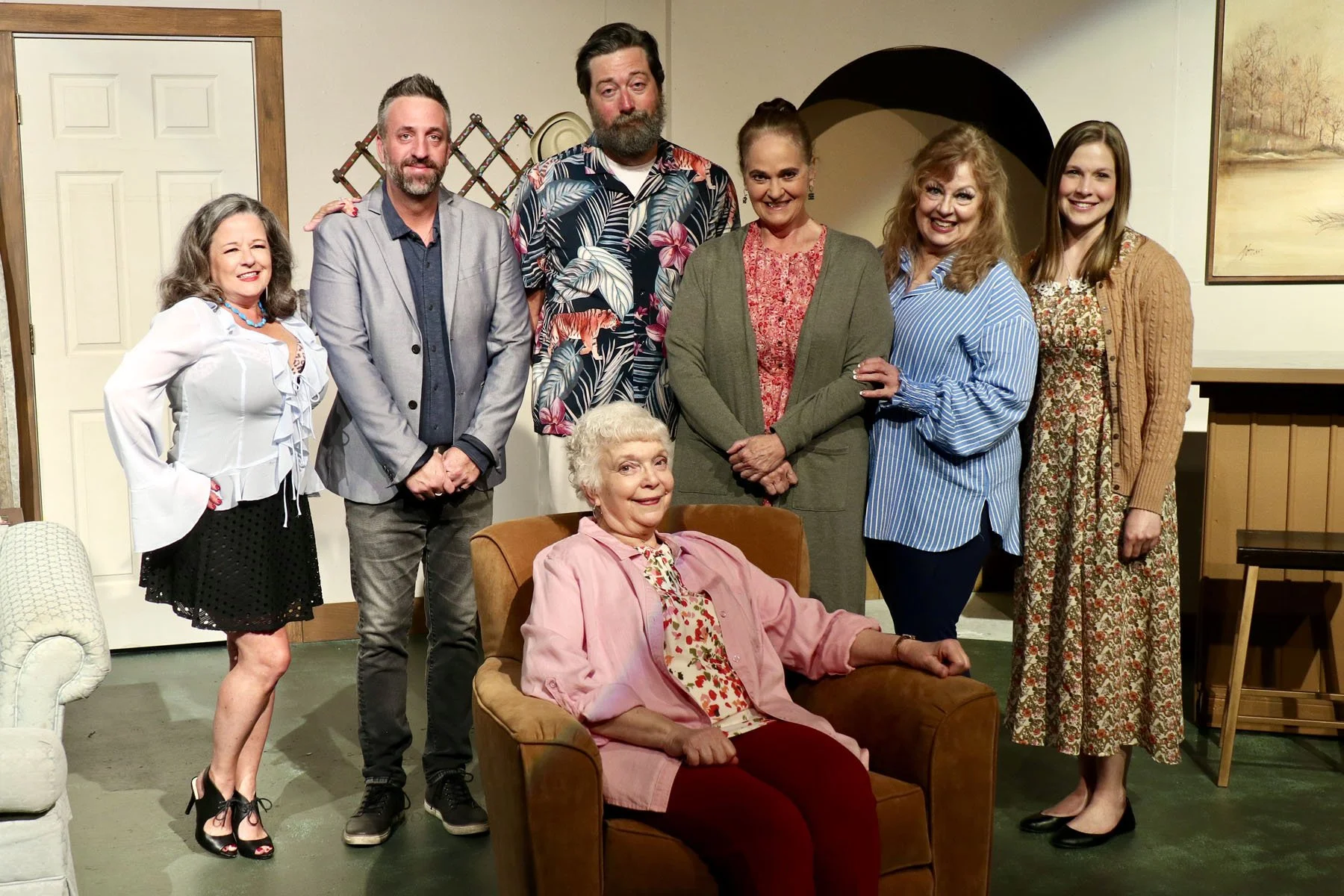
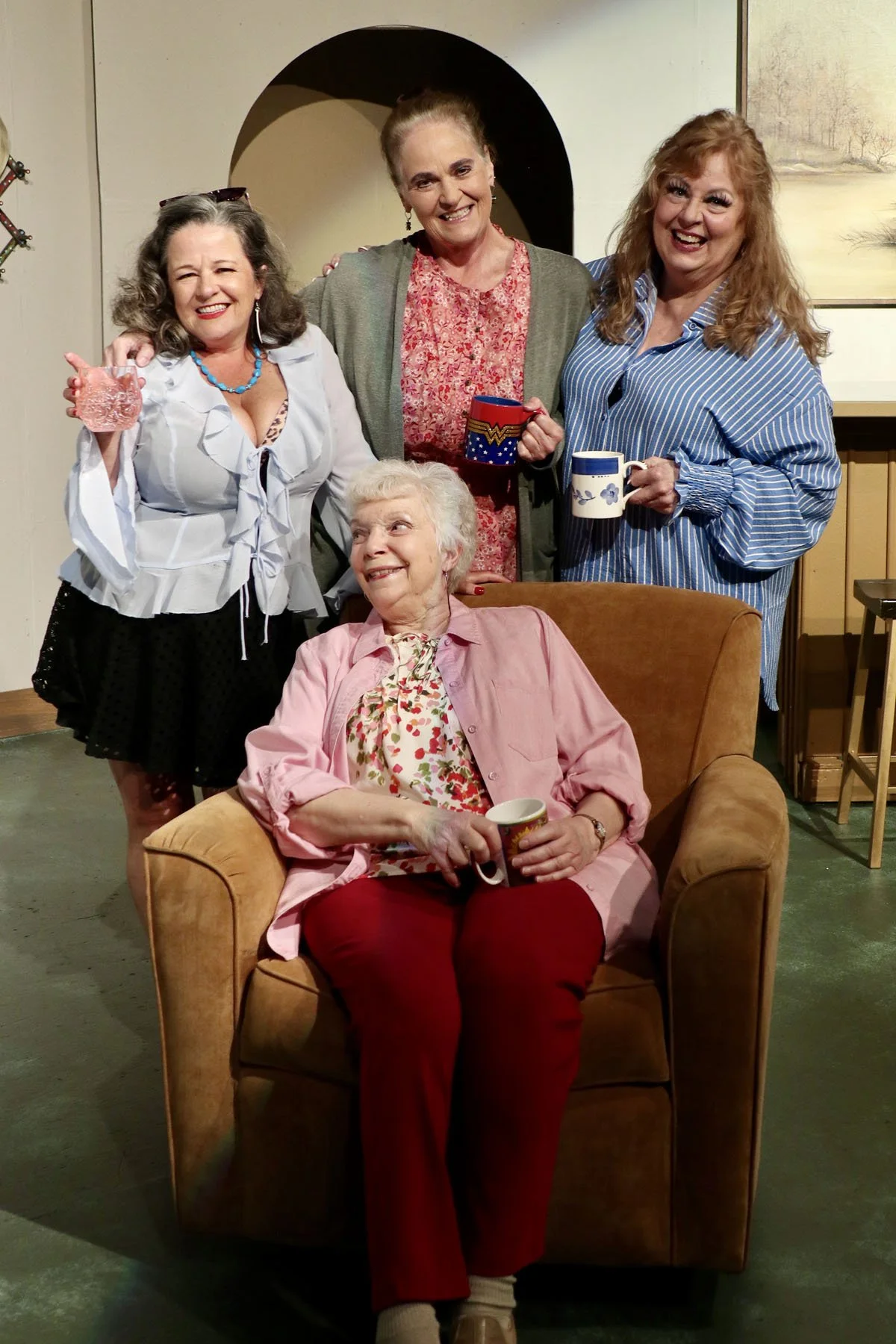
You don't have to be a fan of The Golden Girls to appreciate and enjoy Joe Simonelli's play Old Ringers, running on stage at Bremerton Community Theatre's Robert B. Stewart Performance Hall through May 24, but if you are, you might feel like you've seen something like it before. If you can believe it, Old Ringers is even more suggestive than The Golden Girls ever was, though its cleverness is very much on par. Both tell the story of four older women, with the Blanche, Rose, Sophia, and Dorothy archetypes here finding new life through Verna (Stephanie Mikos), Kathy Ann (Neicie Packer), Rose (Barbara Miller), and Diane (Jen Aylsworth). As the women struggle to navigate shrinking Social Security checks and reduced work opportunities, they find themselves searching for ways to maintain their independence while also trying to preserve the friendships and sense of purpose that keep them going. Along the way come romantic complications, generational clashes, and a club soda bottle that helps send the production into some of its funniest territory. The relationships, the quick-witted barbs, the emotional support systems, and the rhythm of the comedy all feel comfortably familiar, though Old Ringers often plays like a version of The Golden Girls that somehow escaped the limitations of network television and landed squarely on cable instead. Under Michelle Peterson’s direction, Bremerton Community Theatre fully embraces that recognizable dynamic, with a cast whose chemistry and comfort with one another help bring the humor and heart of the play to life for local audiences.
Beneath the jokes and innuendo, however, Simonelli’s play also carries a more human undercurrent, touching on the realities facing retirees trying to make ends meet, and the loneliness that can come with aging. As the women navigate the aforementioned challenges, with growing older, the play gradually reveals itself to be about far more than simply sex jokes and sarcastic banter. What emerges is a story centered on friendship, acceptance, chosen family, and the importance of community, particularly for people who society often treats as though their stories are already finished. Simonelli balances the comedy with enough sincerity to keep the characters from ever becoming caricatures, allowing the warmth underneath the humor to resonate just as strongly as the punchlines themselves.
Michelle establishes a relaxed and approachable tone from the outset, allowing the characters and their relationships to drive the comedy rather than relying on exaggerated staging or forced energy. The pacing moves smoothly throughout the evening, with the production understanding when to let a joke land and when to allow quieter moments of honesty to sink in. The success of a show like this ultimately depends on whether the audience believes these women genuinely enjoy spending time together, and this cast creates that feeling naturally. Their interactions feel conversational natural, the shorthand of people who have known each other for years.
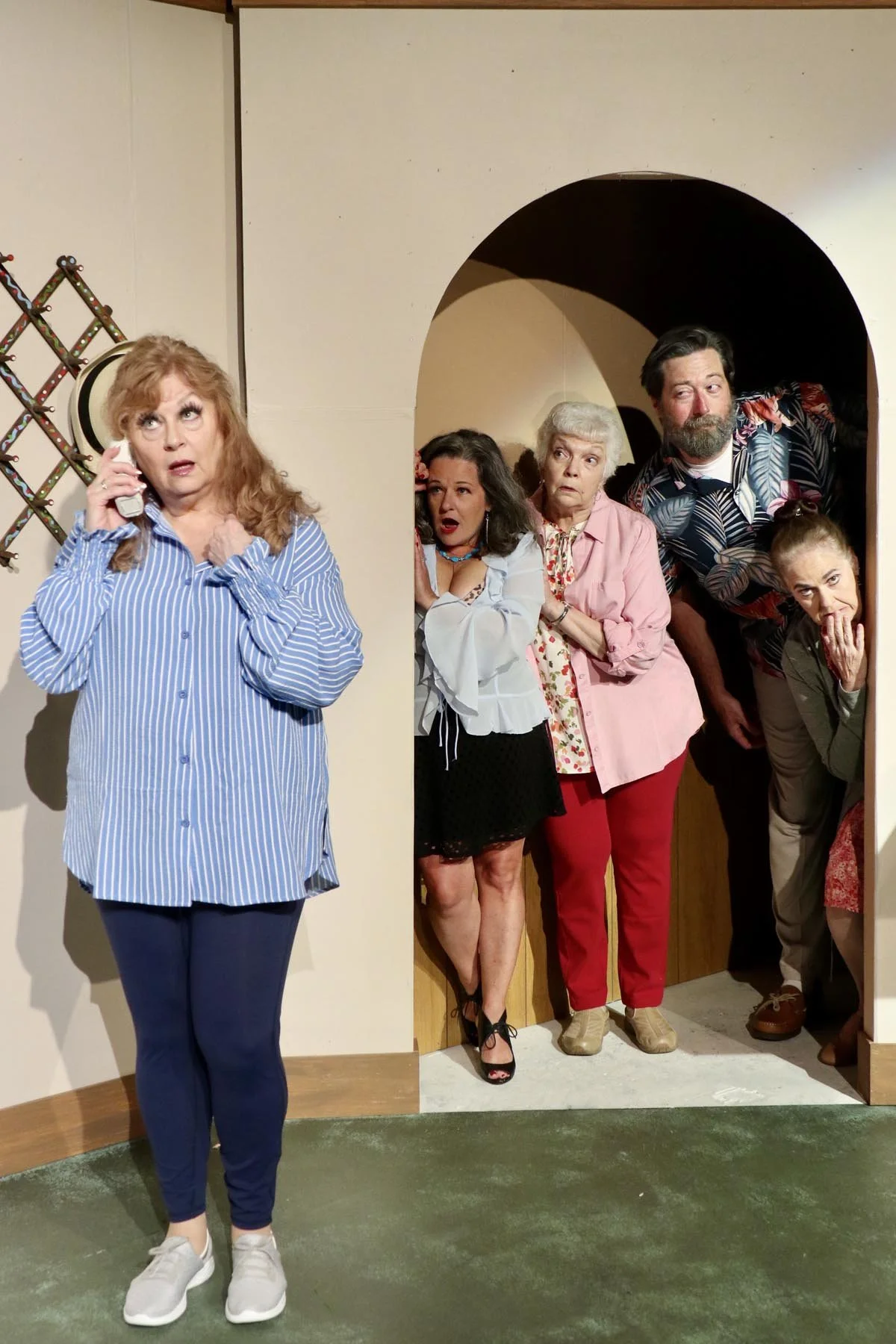
Visually, the production keeps things simple, but effectively so. Michelle’s set design creates a warm and believable living room environment without overcomplicating the space. It feels exactly like the kind of gathering place where these women would spend hours exchanging gossip, frustrations, life advice, and plenty of inappropriate observations. Rana Teresa Tan’s set decoration helps reinforce the domestic realism of the environment, while Dale Borer’s lighting design supports the production cleanly and unobtrusively. Kristi Ann Jacobson’s sound design similarly works in service of the story without ever calling unnecessary attention to itself.
On the performance side, one highlight, among many, is Stephanie Mikos, who brings a wonderfully loose and lively energy to Verna, immediately standing apart from the others through both physicality and personality. Stephanie fully commits to the character’s eccentricities without tipping too far into caricature, and her entrances consistently inject fresh momentum into scenes. Meanwhile, Neicie Packer’s Kathy Ann delivers some of the production’s more understated comedic work, often finding humor through reaction and timing rather than overt punchline delivery. Neicie does very well portraying someone who feels not entirely interested in the chaos around her while still wanting desperately to remain part of the group dynamic.
Barbara Miller’s Rose settles naturally into the ensemble, contributing to the chemistry among the women that ultimately becomes the production’s greatest strength. The audience never questions the shared history between these characters because Barbara, alongside the rest of the ensemble, makes those relationships feel genuine. Their camaraderie becomes the heartbeat of the production, elevating material that could otherwise become overly dependent on familiar sitcom structure, though if I’m being honest, Barbara feels a lot like she’s brought her own version of Estelle Getty to the stage, her timing thoroughly reminiescent.
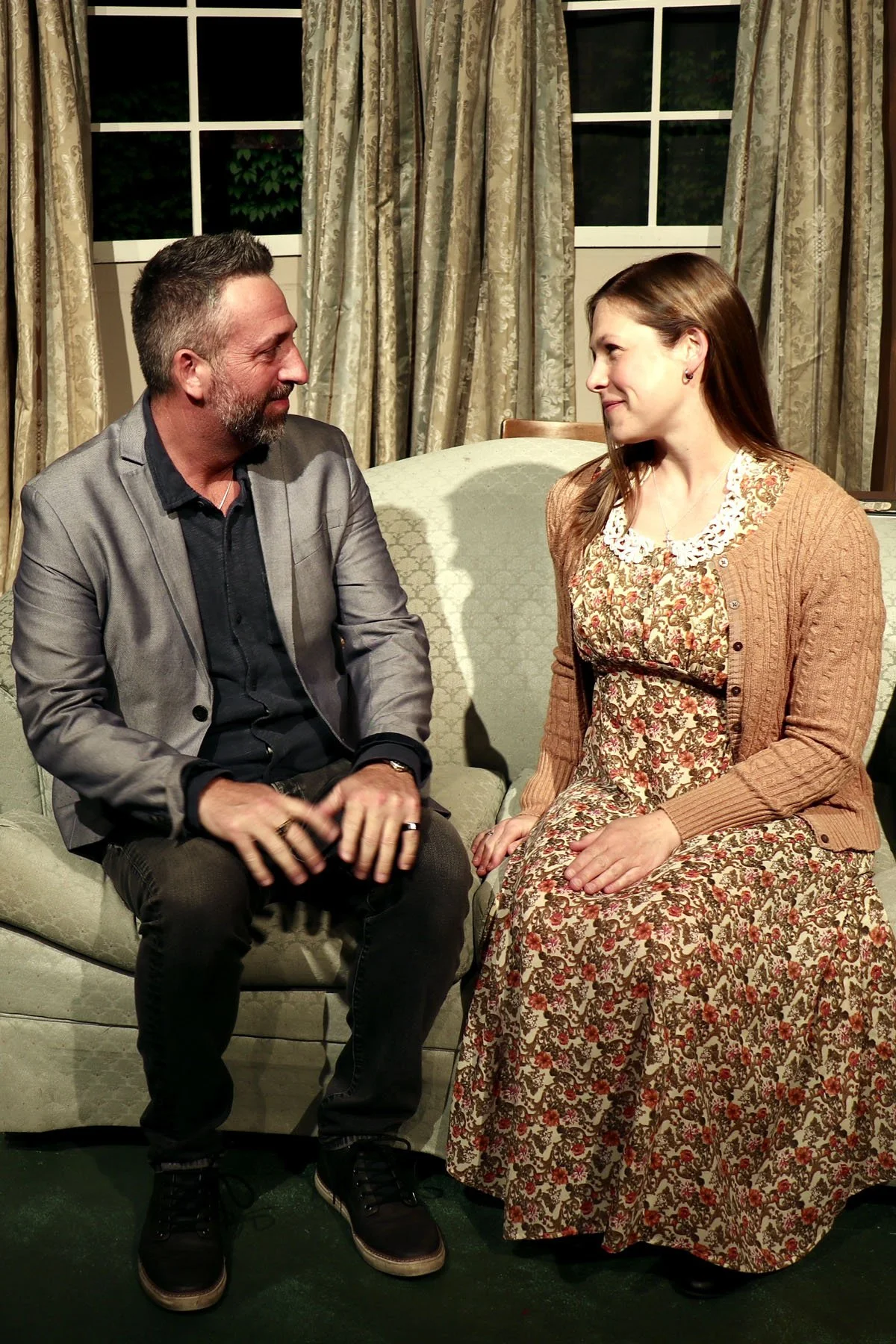
As Diane’s daughter Amanda, Merissa Eckman is fully committed to the character’s pious, fervently religious, and very much “play by the rules” personality. Merissa’s performance is intentionally rigid in the best possible way, her posture, delivery, and overall presence all reinforcing Amanda’s need for structure and control. That rigidity becomes even more effective because the play eventually allows Amanda opportunities to loosen those reins a bit, making the contrast in her later moments land far more successfully thanks to the foundation Merissa establishes early on. Amanda may not be the central focus of the story, but her presence is essential to many of the lessons the play ultimately explores, particularly those involving acceptance and understanding perspectives outside one’s own worldview.
Jen Aylsworth’s Diane serves as a wonderful counterbalance to her daughter’s personality, a woman clearly shaped more by lived experience than strict ideology. Jen gives Diane a sharp wit and just enough exasperation to make the dynamic between mother and daughter consistently entertaining. One of the production’s funniest recurring threads comes after Amanda demands that all alcohol be removed from the premises, prompting Diane to pour what remains of her vodka into a club soda bottle. The audience can see exactly where the joke is heading almost immediately, but that predictability never diminishes the payoff because of how well both Jen and Merissa commit to the escalating absurdity of the situation. Their timing and reactions elevate the sequence beyond the joke itself, turning an expected comedic setup into one of the evening’s biggest laughs.
Casey Cline’s NYPD officer Tony finds himself squarely in the middle of that entire kerfuffle as well. Tony has clearly taken a shine to Amanda, though it quickly becomes apparent that any potential relationship between them will require both characters to meet somewhere in the middle philosophically if it is ever going to work. Given Amanda’s strict worldview, Diane’s rebellion against it, and the increasingly chaotic adventures surrounding the now infamous club soda bottle, that middle ground often feels hilariously impossible to reach. Casey handles the role very well, balancing Tony’s sincerity with an understated comedic charm that makes the character easy to root for even when he is hopelessly caught in the crossfire.
Dan Barnard is equally entertaining as Harry, delivering some of the production’s most consistently reliable laughs. Dan has a relaxed comedic style that fits naturally into the rhythm of the ensemble, and Harry becomes especially funny once he gets reluctantly pulled into helping the women with their latest business venture. Much of the comedy in these sequences comes not simply from the situation itself, but from the way Dan reacts to the absurdity unfolding around him.
Ultimately, it is the ensemble itself that makes Old Ringers work as well as it does. Individually, each actor delivers a strong and well-defined performance, but it is the relationships between the characters and the comfort the cast has with one another that elevate the production beyond simply being a collection of jokes and archetypes. The chemistry among the group feels genuine, allowing the humor to land naturally while also giving the play’s more heartfelt moments real emotional weight. The work Michelle and her cast have put into developing that dynamic clearly pays off, creating a production that feels warm, inviting, and consistently entertaining from beginning to end.
Bremerton Community Theatre’s production of Old Ringers understands exactly what kind of experience this play is meant to provide, embracing both the sharp humor and the warmth underneath it, carefully walking the balance between humor and heart and delivering on both. The result is an easygoing and frequently funny evening of theatre that reminds audiences that stories about aging are not simply about decline, but about connection, resilience, friendship, and the continued desire to be seen, valued, and loved.
The Bremerton Community Theatre production of Old Ringers runs on stage at its Robert B. Stewart Performance Hall through May 24. For more information, including ticket availability and sales, visit https://bctshows.com/.
Photo credit: Kathy Berg