
Stage Review - The Odd Couple [Female Version] (Standing Room Only Theatre)
Stage Review - The Odd Couple (Female Version)
Presented By: Standing Room Only Theatre - Yelm, WA
Show Run: February 13 - March 01, 2026
Date Reviewed: Saturday, February 21, 2026
Run Time: 3 Hours (including one 15-minute intermission and two brief scene change intermissions)
Reviewed by: Greg Heilman
On Saturday, February 21, 2026, I had the opportunity to attend Standing Room Only Theatre’s production of Neil Simon’s The Odd Couple (Female Version), now onstage at The Outpost Building in Yelm through March 1. It’s always a bit of a litmus test when a company takes on Neil Simon—his work demands precision in pacing, a sharp ear for language, and a cast that understands how to land humor without forcing it. The good news is that this production largely succeeds by embracing the rhythm of Simon’s writing and allowing the personalities of its ensemble to drive the comedy.
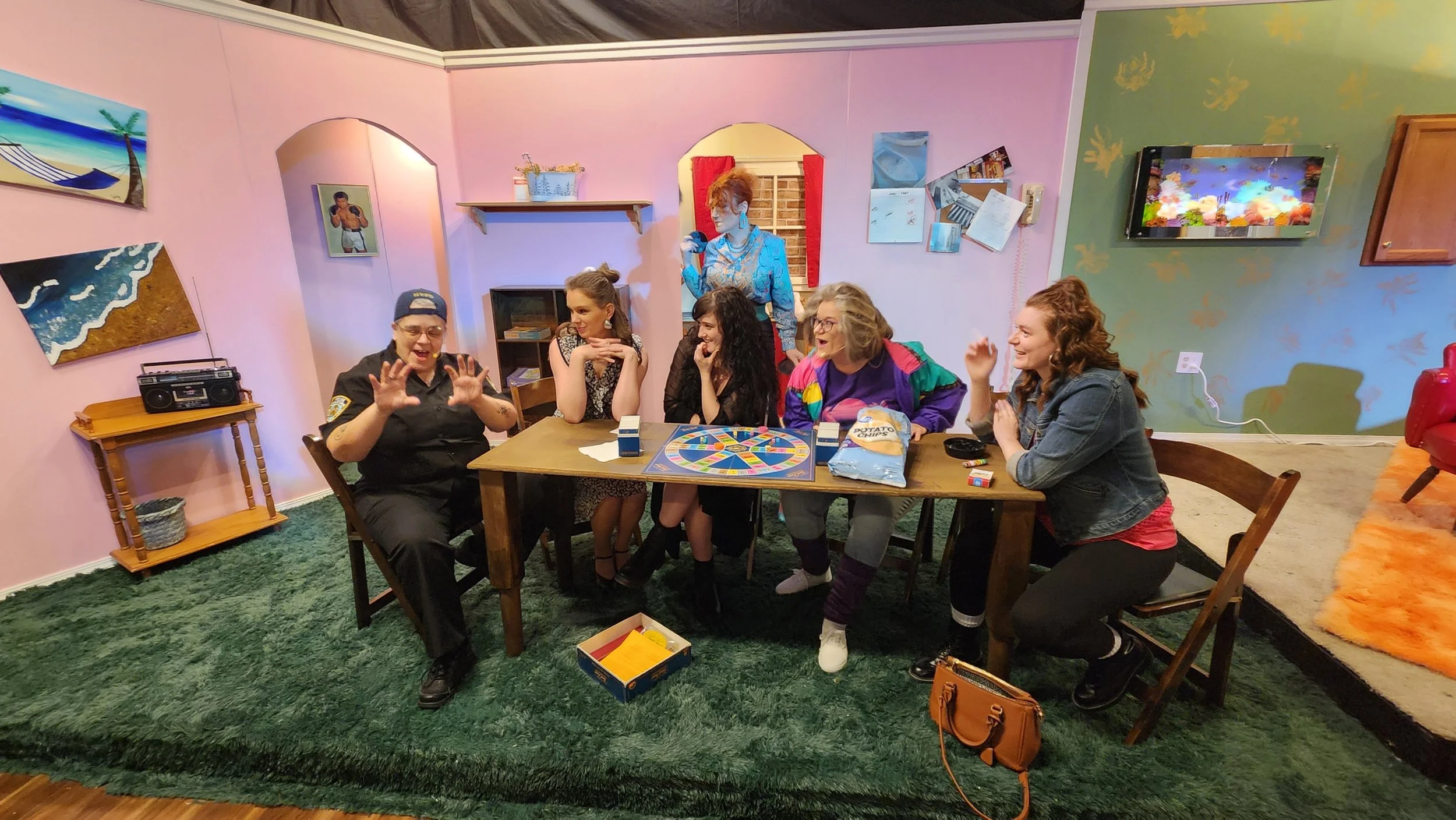
Originally written by Neil Simon in 1965, The Odd Couple became one of the most recognizable American comedies, first as a play and later as a film and television series. The version presented here is Simon’s later reimagining of the story, in which the central mismatched roommates—originally Oscar Madison and Felix Ungar—are reworked as Olive Madison and Florence Unger. It’s refreshing to note that this is not an adaptation just replacing the male actors with female one, rather it was written specifically to provide a different perspective on the same general story, and while the structure of the play remains largely intact, the female version introduces several notable shifts. The poker nights of the original become Trivial Pursuit gatherings, changing the rhythm of the ensemble scenes and allowing for a more conversational, banter-driven energy. The Pigeon sisters are replaced with the Costazuela brothers, altering the dynamic of romantic tension and cultural humor within the story. Additionally, Florence’s backstory and emotional stakes are reframed through a different social lens, highlighting themes of independence, expectations placed on women, and the pressures surrounding relationships. These changes keep the spirit of the original intact while giving the material a distinct identity of its own.
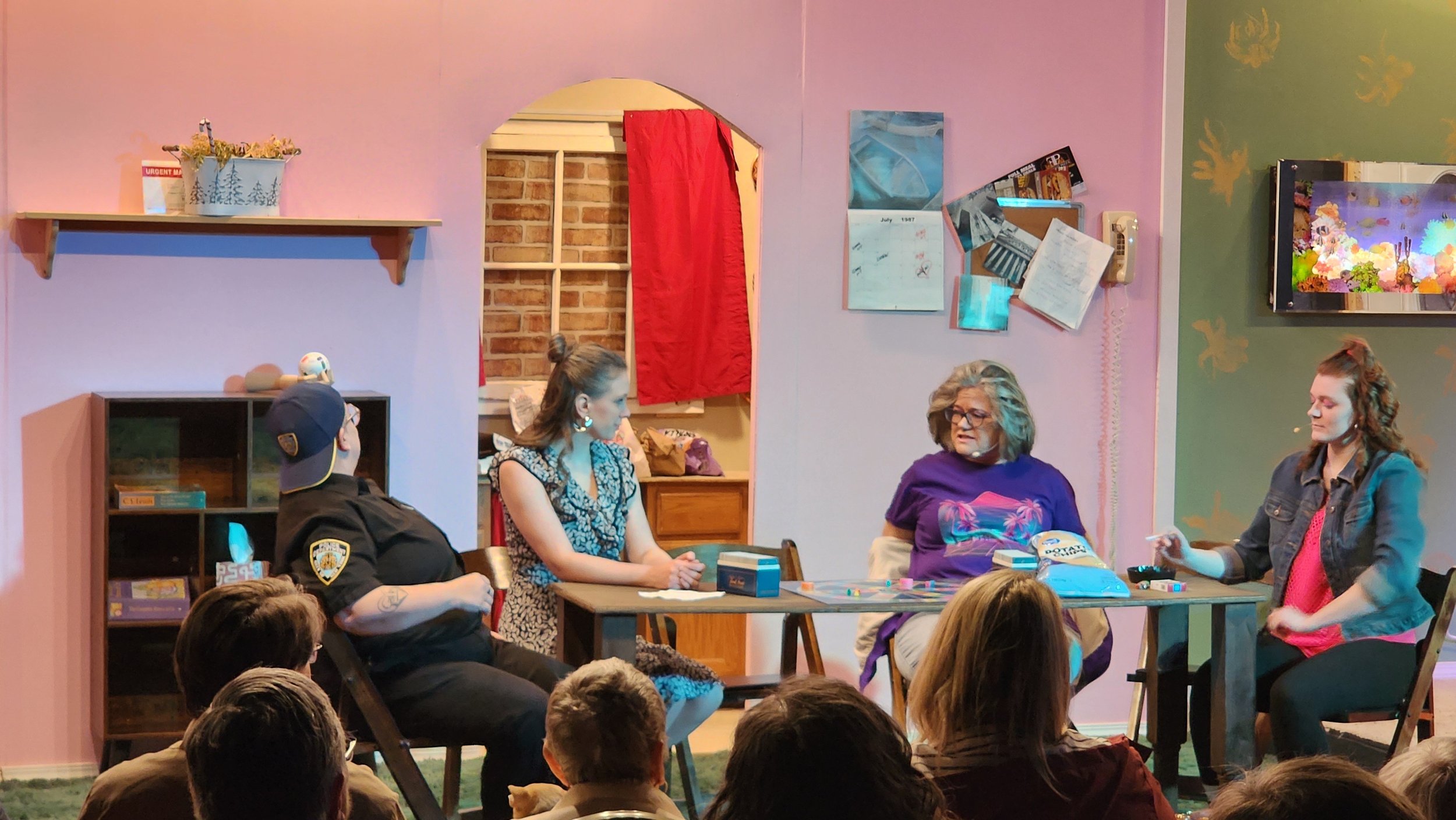
It is important to mention here that Standing Room Only Theatre currently performs in a temporary home at The Outpost Building in Yelm, as the company searches for a permanent theatre space. The venue, while certainly serviceable, presents some unique challenges. It occupies an in-between size—large enough to suggest the need for microphones, yet intimate enough that strong performers could likely fill it naturally. In this production, the choice was made to use amplification. My reaction to this sitting in the front row of the audience, was mixed on Saturday evening. Early in the performance, during one of those Trivial Pursuit scenes when the entire ensemble is seated at a dining table, when actors were positioned closer to the me, the sound felt slightly over-augmented and louder than necessary. However, as the action shifted deeper into the playing space—particularly between the kitchen and living room areas of Olive’s apartment—the balance evened out, and the levels felt much more appropriate. It’s a thoughtful solution to a tricky acoustic environment, and one that ultimately works more often than not. Given what Charles Phillips and his team accomplish within the constraints of this temporary venue, I’m exciting to consider what they might achieve in a fully realized theatre space.
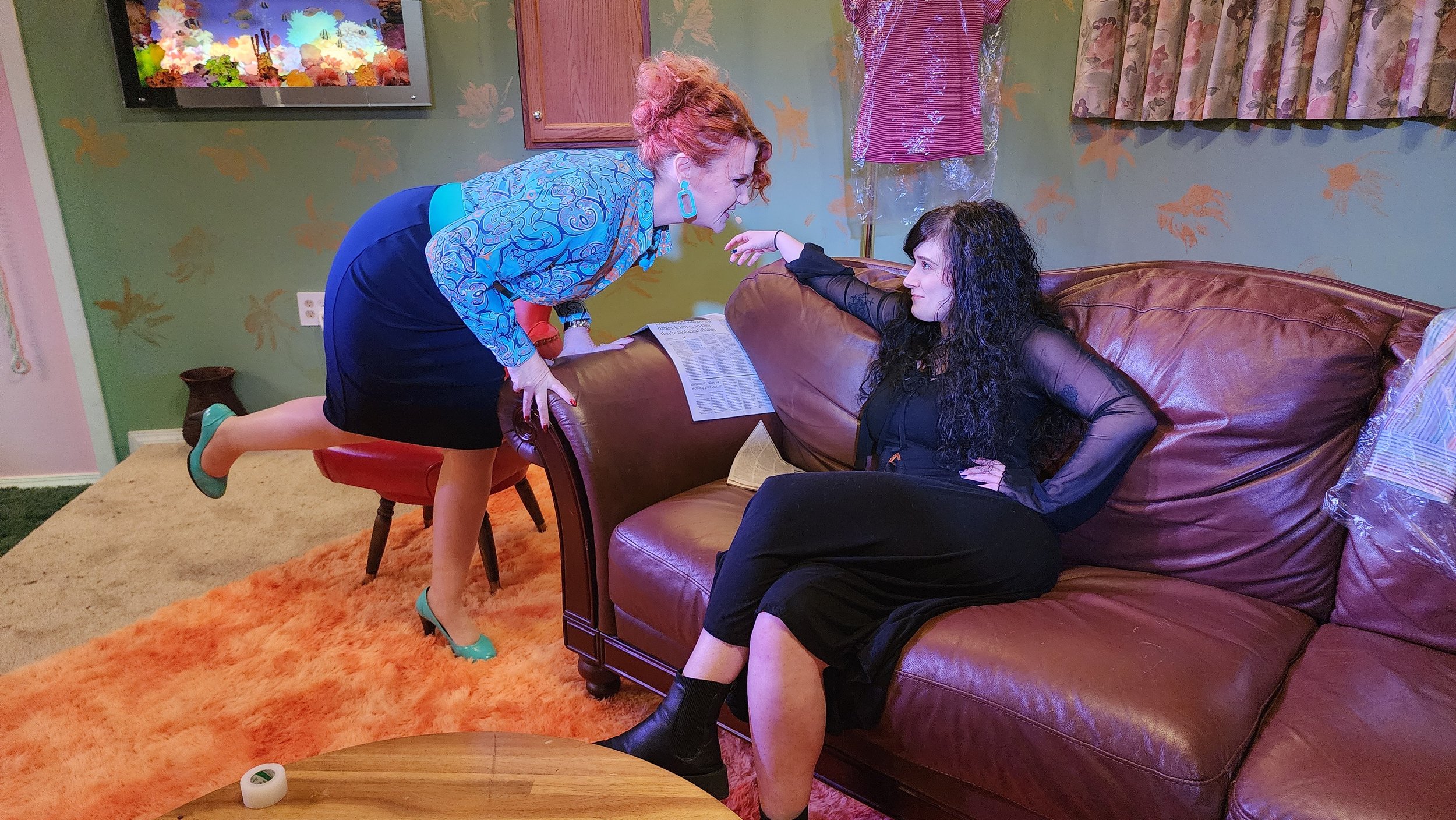
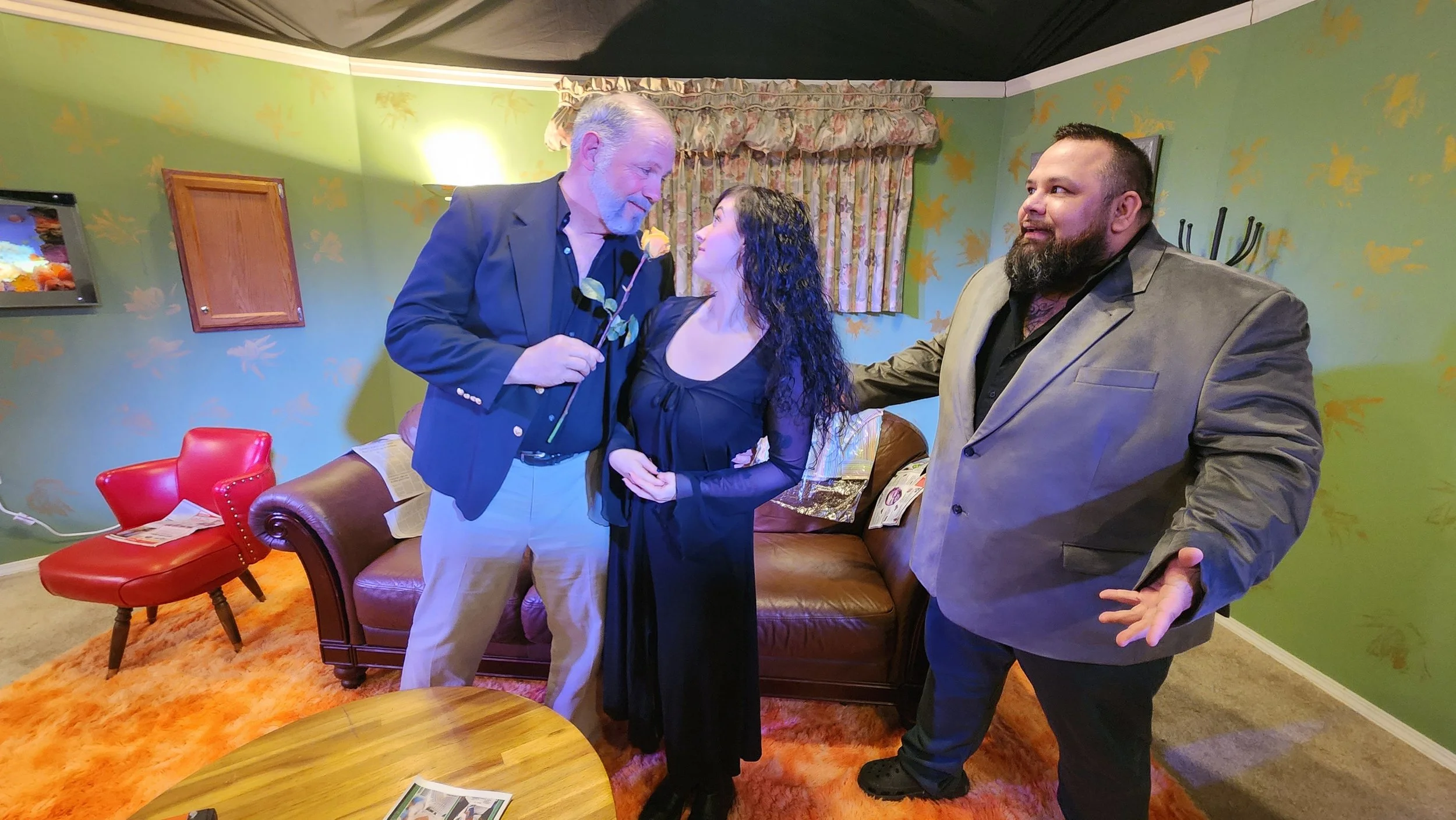
From a design standpoint, the production does an effective job of evoking the 1980s, the time in which Simon sets this version of his story. Scenic Designer Erich Raudebaugh establishes Olive’s apartment with a cohesive visual language—shag rugs, period-appropriate furniture, and a view out the window that helps situate the world beyond the stage. The props, overseen by Kamylle Sprenger, complement this nicely, with details like soda cans and a Trivial Pursuit game board reinforcing both the time period and the lived-in feel of the space. Costuming follows suit, clearly defining each character while remaining consistent with the overall aesthetic.
It’s within this otherwise cohesive design that a couple of small inconsistencies stand out, though. The wall-mounted telephone, complete with its extra-long, easily tangled cord, is a strong visual and period-specific choice, and the characteristics of the cord are definitely appropriate. However, when it rings, the sound effect leans more digital than analog, creating a slight disconnect between what the audience sees and hears. Similarly, a photo album used by Florence later in the show, appears, but upon closer inspection, it contain no actual photos, black and blank pages visible from the audience. These are minor details, but in a production that otherwise pays close attention to the details of its design, they become noticeable.
The performances are where this production finds its strongest footing. Savannah Creamer’s Olive Madison stands out as the anchor of the show. Olive’s humor relies heavily on language and timing, and Savannah demonstrates a clear command of both. Her deadpan delivery lands consistently, and she shows a strong grasp of how to let Simon’s dialogue do the work. It’s a confident performance that provides the production with a steady comedic center.
Meg Long’s Florence Unger offers a strong counterbalance, and the dynamic between the two is central to the success of the piece. Meg does a particularly nice job of channeling the spirit of Felix from the original version—bringing that same anxious energy and need for order into Florence, while still making the character feel distinct within this adaptation. Florence’s arrival is especially well staged, and the panic and uneasiness of that initial entrance is where this ensemble truly shines, demonstrating a collective grasp of the style and rhythm of Neil Simon’s humor. It’s a moment that sets the tone effectively and highlights the strength of the group dynamic from the outset.
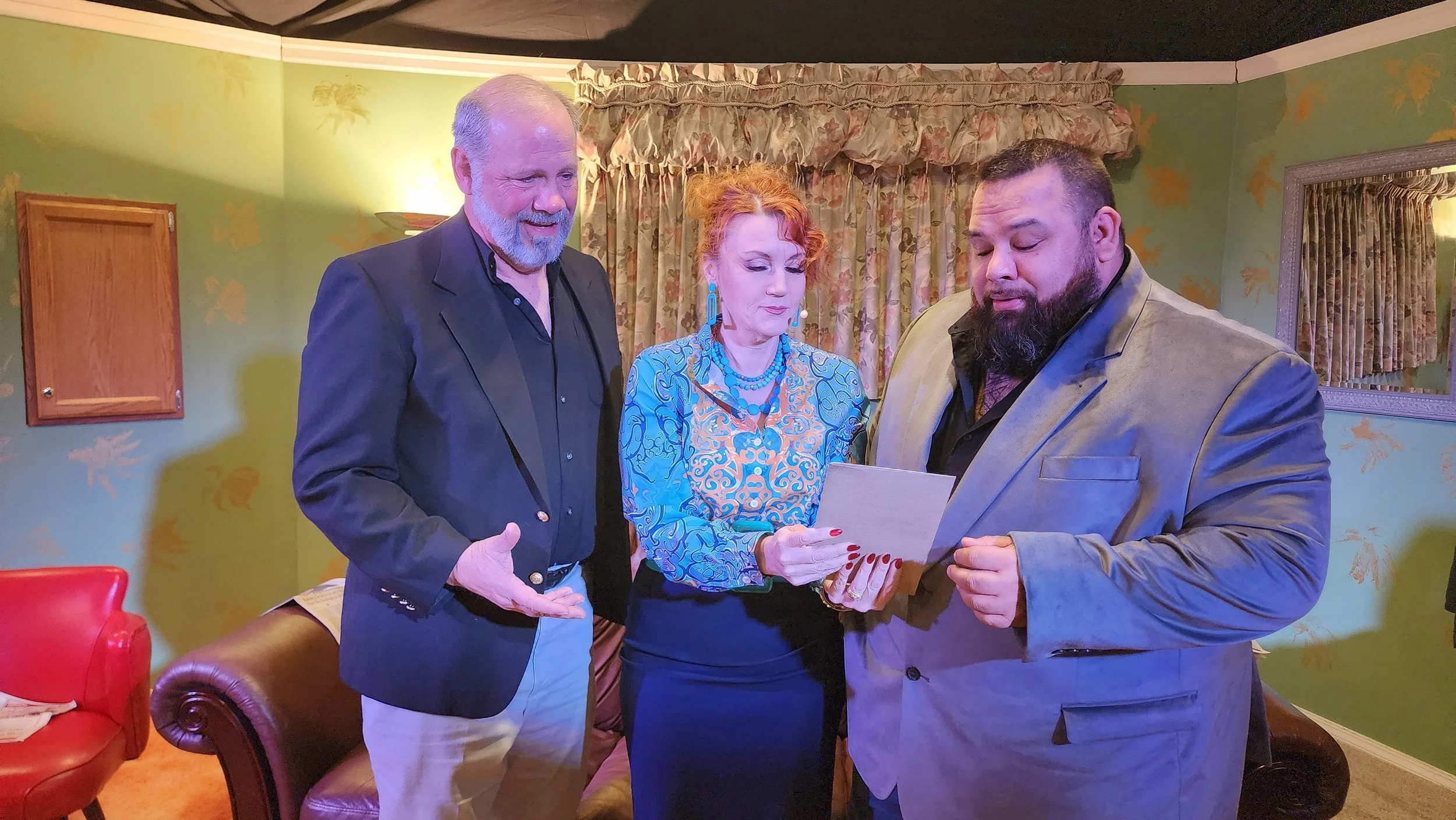
This is a supporting ensemble that brings a welcome range of personalities. Mackenzie Dust’s Sylvie presents a sharp, attitude-driven presence, with a look and style that feel distinctly rooted in the era, Yvette O’Keefe’s Renee and Holly Lehikoinen’s Vera contribute strong comedic textures, with Vera’s portrayal embracing a delightfully exaggerated, almost Audrey (from Little Shop of Horrors) -like quality that fits well within the heightened tone of the show, and Kris Sawyer’s Mickey, the police officer, delivers some of the production’s most effective comedic moments, particularly through expressions of mounting frustration that feel both authentic and well-timed. Joel Derefield’s Manolo captures the essence of the suave Spaniard, fully committing to both the accent and physical mannerisms in a way that enhances the character’s charm and comedic impact, while Nabeel Hameed’s Jesus works seamlessly alongside Joel, creating a dynamic between the brothers that feels natural and engaging. Their interactions with Olive and Florence give Simon ample opportunity to play with language and misunderstanding, and the production capitalizes on that, drawing humor from both the dialogue and the cultural disconnect.
Under the direction of Charles Phillips, this production of The Odd Couple maintains a brisk and engaging pace. Scenes like the Trivial Pursuit sequences highlight the strength of the ensemble’s timing, with banter that feels fluid and natural. There is a clear understanding here of how Neil Simon’s dialogue needs to move, and the cast rises to meet that expectation. What ultimately makes this production work is its commitment to the material. The Odd Couple depends on the interplay between sharply defined characters and precisely delivered humor, and this ensemble embraces both. While there are a few minor technical and design inconsistencies, they do little to detract from an evening that is consistently engaging and frequently funny.
Standing Room Only Theatre’s production of The Odd Couple (Female Version) is a strong example of what can be accomplished with a clear vision, a capable ensemble, and a willingness to adapt to the limitations of a nontraditional space. As the company continues its search for a permanent home, this production serves as a promising indicator of what they are capable of—and a compelling reason to follow what comes next.
The SRO Theatre production of Neil Simon’s The Odd Couple (Female Version) runs on stage at The Outpost Building in Yelm through March 1. For more information, including ticket availability and sales, visit https://www.srotheater.org/.
Photo credit: Charles Phillips