
Stage Review - We Ain’t Ever Gonna Break Up: The Hymon and Parfunkel Musical (Village Theatre)
Stage Review - We Ain’t Ever Gonna Break Up: The Hymon and Parfunkel Musical
Presented By: Village Theatre - Issaquah, WA
Show Run: May 19 - June 21, 2026 (Everett run June 27 - July 19)
Date Reviewed: Saturday, May 30, 2026
Run Time: 1 Hour, 40 Minutes (no intermission)
Reviewed by: Greg Heilman
For more than two decades, Village Theatre’s New Works program has been one of the most successful musical theatre development pipelines in the country. Through the Festival of New Musicals, readings, workshops, and commissions, Village has helped bring hundreds of new works to life, many of which have gone on to productions across the country and around the world. Audiences attending a new musical at Village Theatre are treated to a glimpse of the next stage in a show’s evolution, seeing a piece continue to grow from concept to fully realized production.
We Ain’t Ever Gonna Break Up: The Hymon and Parfunkel Musical is one such success story. Created by Gregg Hammer and Louis Pardo, the musical first appeared at Village Theatre as part of the 2024 Festival of New Musicals before receiving its world premiere at Phoenix Theatre Company in Arizona. The show is now making its triumphant return to Village Theatre in a production directed by Scott Weinstein, running in Issaquah through June 21 before moving to Everett from June 27 through July 19. What audiences will find is a clever, laugh-filled musical comedy that affectionately spoofs folk music legends, artist bio-musicals, and the entertainment industry’s tendency to turn every successful partnership into a larger-than-life myth.
The premise is delightfully ridiculous and the well of humor is bottomless. Saul Hymon and Bart Parfunkel are a fictional folk duo whose decades-long relationship is chronicled through concerts, interviews, documentary footage, career highs, personal feuds, reunions, and enough questionable artistic decisions to fill an entire streaming miniseries. The show functions simultaneously as a parody of artists like Simon and Garfunkel (the easiest connection to make out of many), a satire of the jukebox and bio-musical genres, and a surprisingly sincere examination of friendship, collaboration, and the challenges of maintaining a creative partnership over time.
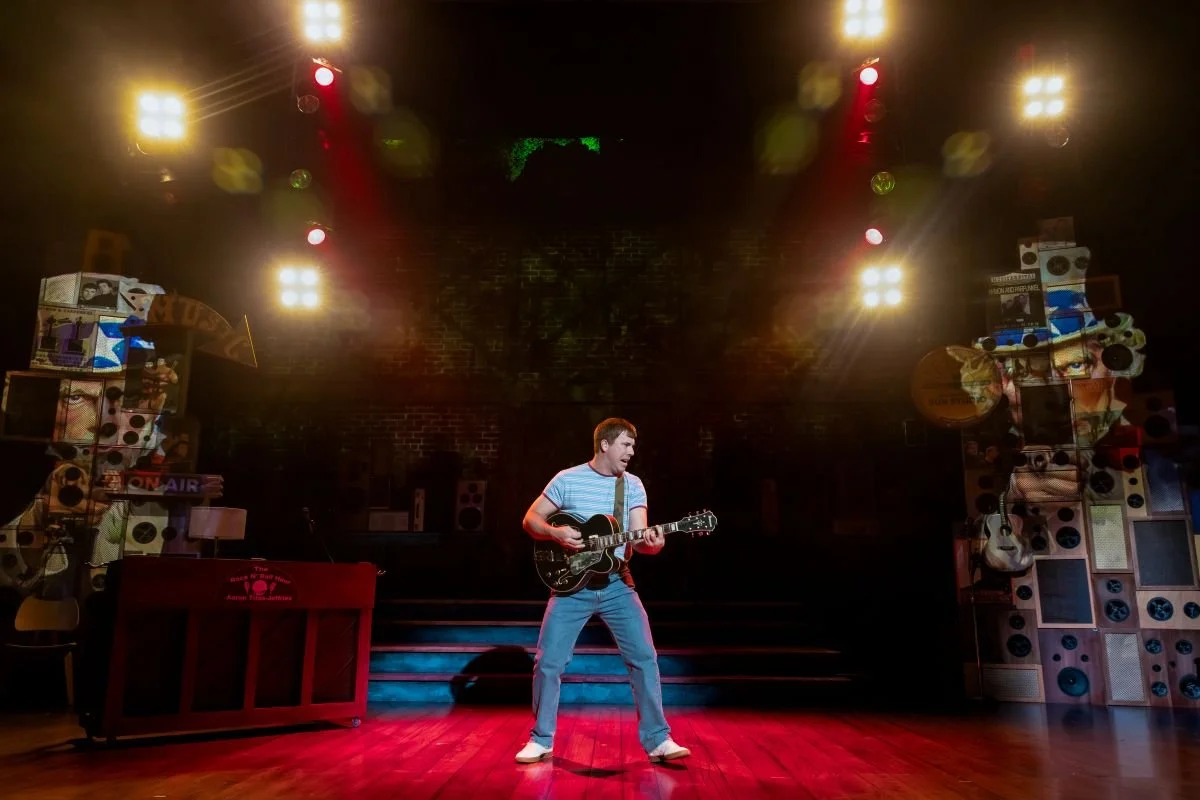
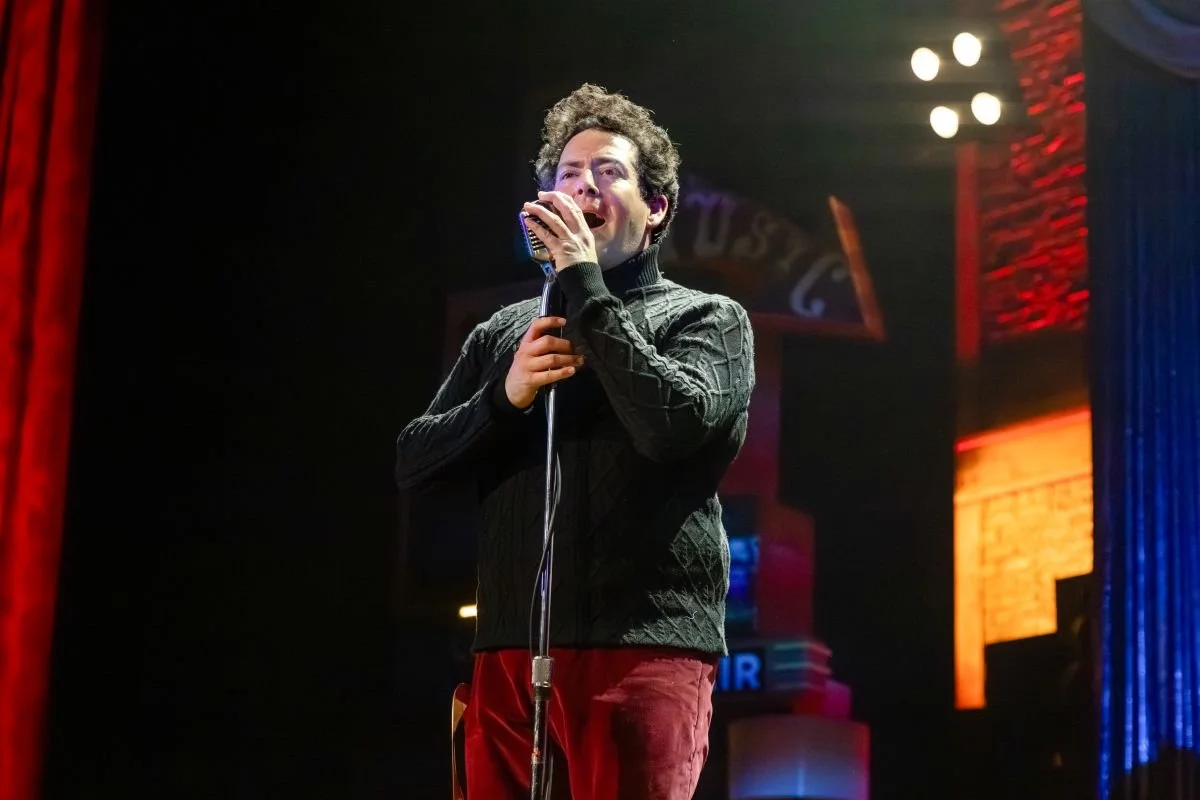
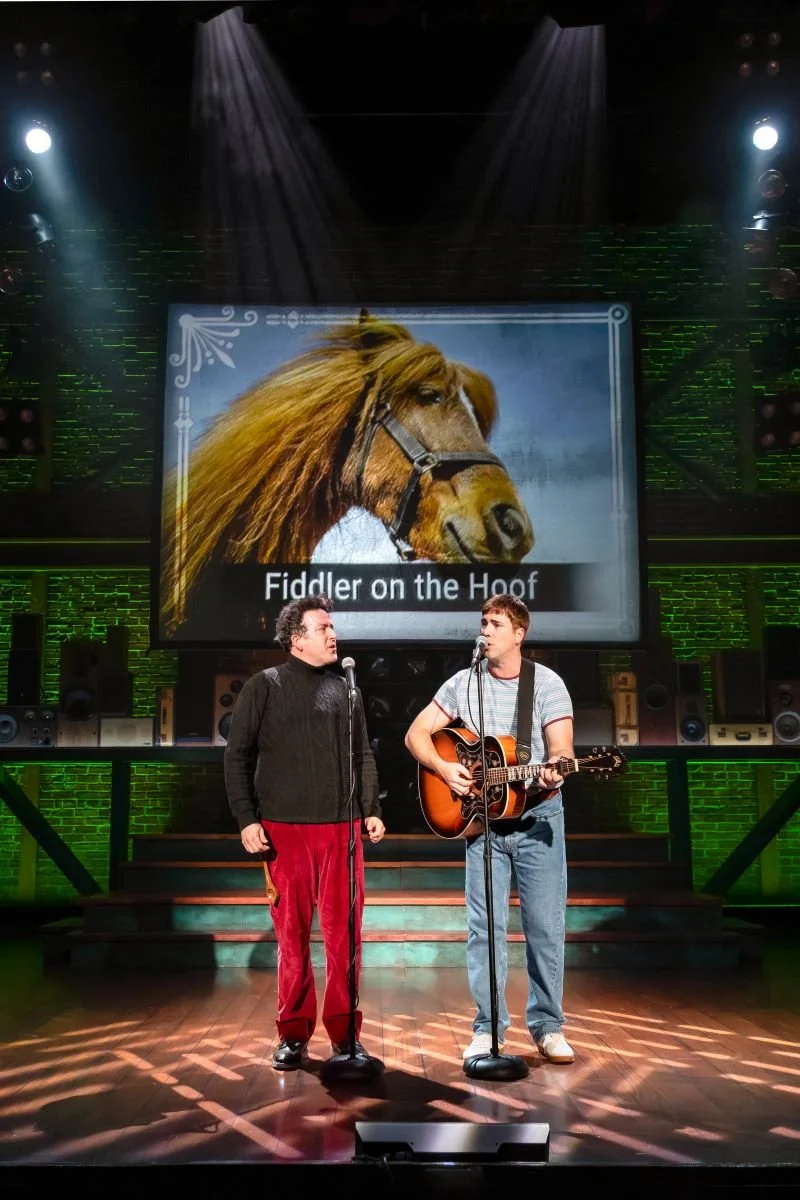
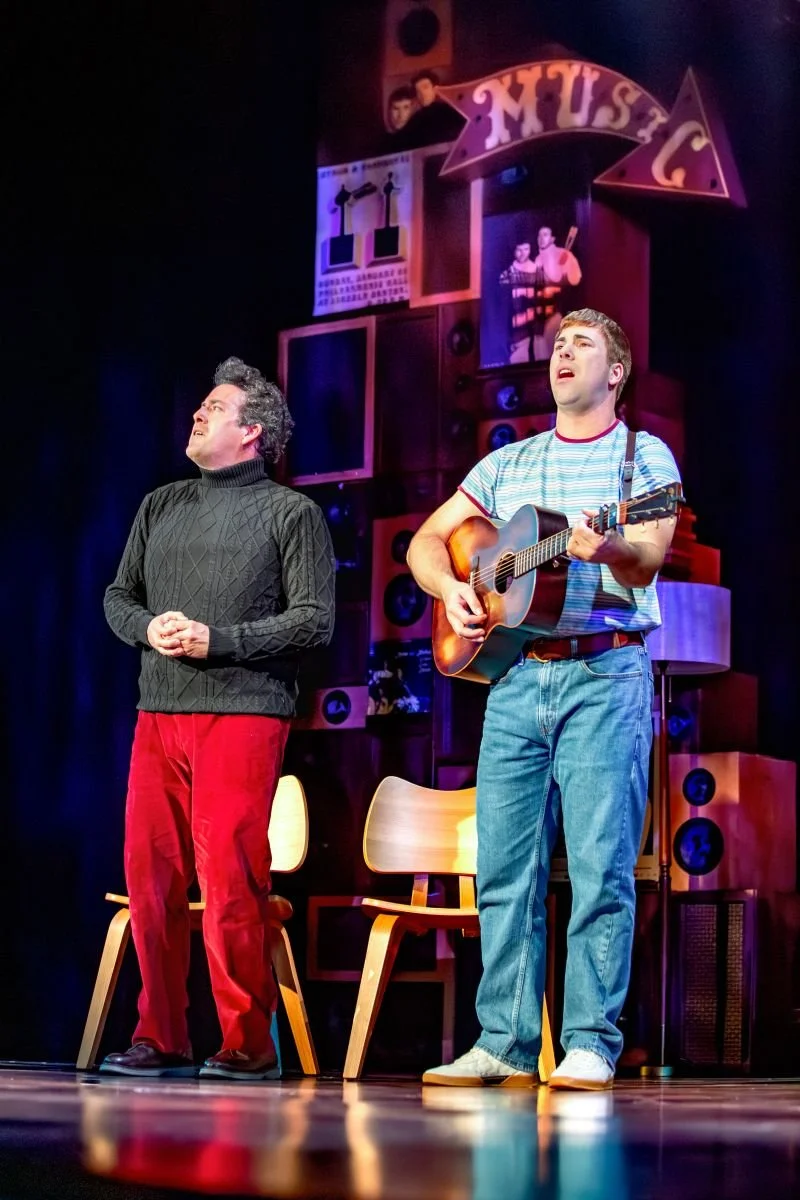
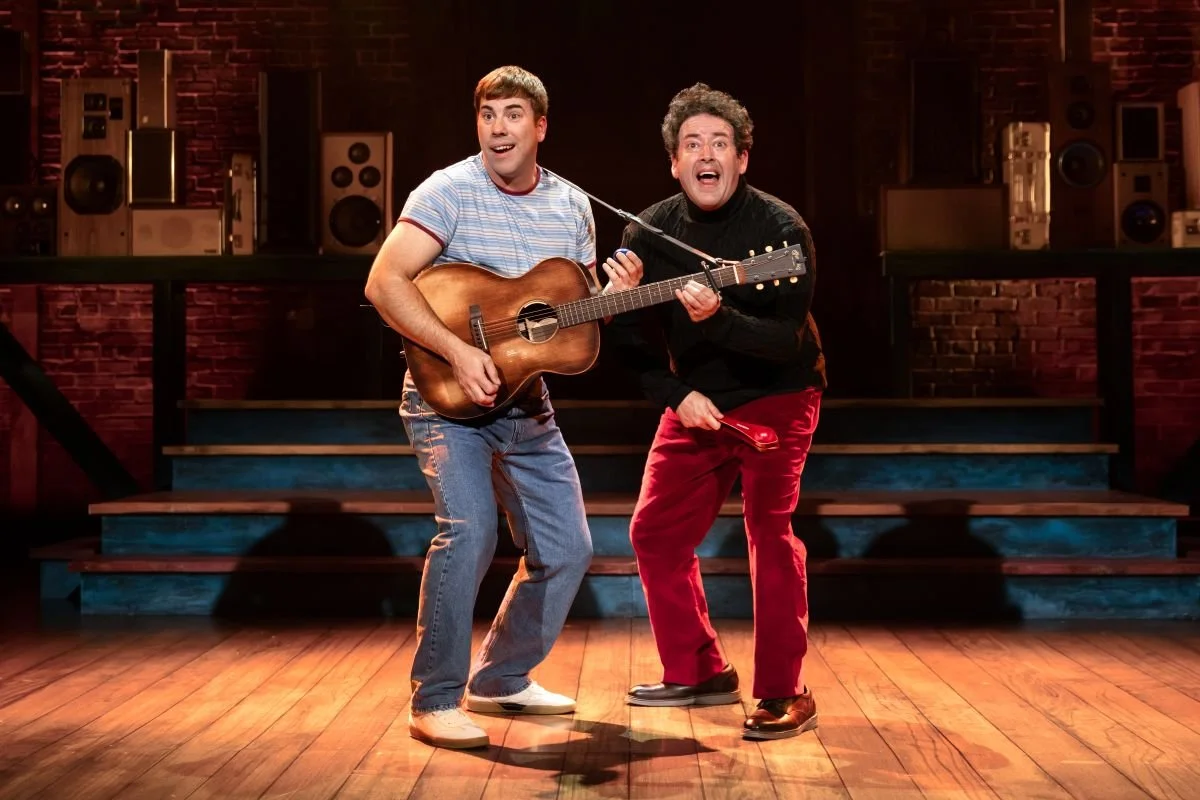
At the center of it all are the show’s creators, Gregg Hammer as Saul Hymon and Louis Pardo as Bart Parfunkel, and as such the success of the production rests squarely on their shoulders. Fortunately, both are more than up to the task. Their chemistry is immediate and effortless, creating the impression of two performers who have spent decades sharing stages together. The pair are exceptional musicians, gifted comedians, and strong storytellers, seamlessly shifting between earnest folk performers, self-important celebrities, and unreliable narrators of their own history. Their harmonies are outstanding throughout, capturing the spirit of the folk duos that inspired the piece while helping establish the authenticity necessary for the comedy to land. Most importantly, Gregg and Louis never allow Saul and Bart to become mere caricatures. As absurd as their journey becomes, the friendship at the center of it feels genuine.
The score is one of the production’s greatest strengths. Rather than relying on familiar songs, Gregg and Louis have created an entirely original catalog that somehow feels as though it has existed for decades. Every number lovingly mimics a particular style, era, or musical trend while remaining funny in its own right. Songs such as “San Francisco” capture the earnestness of the folk movement, while other numbers veer into increasingly bizarre territory as Saul and Bart chase relevance and commercial success. The “Finding Our Hit” montage is particularly effective, becoming one of the show’s funniest gags as the duo repeatedly attempts to manufacture success. Some of my other favorites include the “Schoolhouse Folk Theme Song”, and “A Laundry Rap”, though each song and story seems to build comedic momentum eventually culminating in a climax that speaks the endurance of a good friendship.
What makes the music especially effective is how it serves both the comedy and the story. The audience laughs at the songs, but also begins to understand the characters through them. The collection of original songs and stories, particularly in the way they are structured within the piece, serves as a reminder that for all the jokes, this is ultimately a story about two people trying to navigate a complicated friendship through years of success, disappointment, and change.
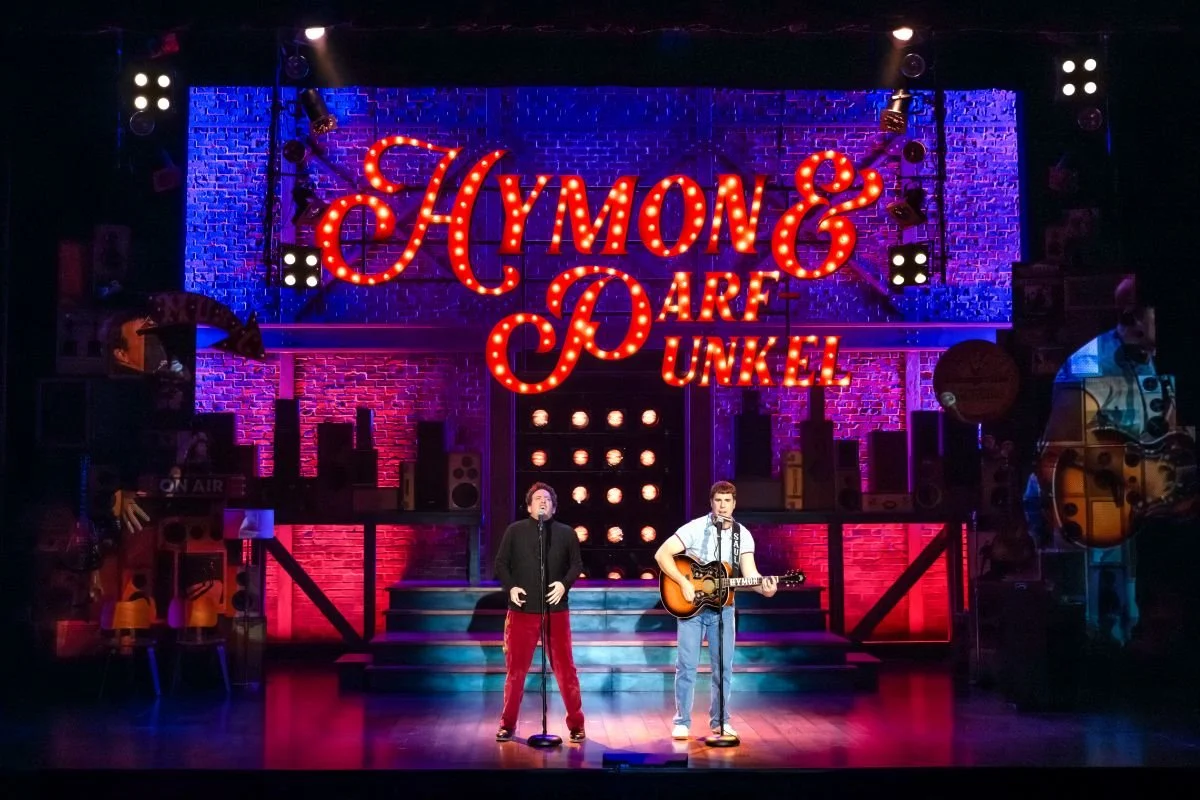
Scott Weinstein’s direction embraces the show’s unique structure, allowing it to function simultaneously as a concert, a documentary, and a theatrical comedy. The production constantly shifts between performance and commentary, often presenting events through the lens of Saul and Bart’s selective memories. Stories are embellished, histories revised, and accomplishments exaggerated. Scott keeps those transitions clear and fluid, ensuring the audience remains invested even as the narrative gleefully bends reality. A major contributor to that success is Ahren Buhmann’s projection design. The faux documentary footage, fabricated archival material, and mock news reports become an essential component of the storytelling.
The remainder of the design team provides equally strong support. Paige Hathaway’s scenic design is flexible and efficient, allowing the story to move effortlessly through decades of fictional history, Jennifer Fok’s lighting design helps define shifts in location, time, and tone while also supporting the production’s concert atmosphere, and Esther Garcia’s costumes effectively chart the duo’s evolution through changing fashions and musical eras, helping distinguish the many phases of their careers.
Among the production’s most memorable sequences is a concert appearance in Central Park, a scene that perfectly encapsulates what makes the musical so enjoyable. It simultaneously celebrates and lampoons the grand mythology often attached to legendary performers. Likewise, the recurring harmonica work throughout the show becomes its own source of comedy, an example of the writers’ ability to take a familiar folk music convention and continually discover new ways to make it funny. The musicianship that Gregg and Louis bring this may be the most overlooked component of the musical. Gregg is a wonderful guitarist and harmonica player, while anyone would be hard pressed to match what Louis does with a set of spoons.
What ultimately elevates We Ain’t Ever Gonna Break Up beyond simple parody is its affection for its subject matter. The musical pokes fun at folk legends, artist documentaries, reunion tours, and the bio-musical industry, but it never does so with cynicism. The show understands, and shows it through its many musical theatre “Easter eggs” why audiences connect with these stories in the first place. It recognizes that behind every legend is a relationship, and behind every partnership is a pair of imperfect people trying to create something meaningful together.
Village Theatre’s commitment to developing new musicals has given audiences the opportunity to experience countless new works over the years, and We Ain’t Ever Gonna Break Up: The Hymon and Parfunkel Musical stands as another strong example of that mission in action. Funny, inventive, musically accomplished, and unexpectedly touching, the production delivers far more than a simple spoof. Beneath the fake documentaries, fabricated histories, news reports, and wonderfully ridiculous songs lies a heartfelt story about friendship, collaboration, and the bonds that survive even when everything else seems determined to pull people apart. Much like the fictional duo at its center, the show succeeds because of the strength of the partnership behind it, and audiences are the beneficiaries of that collaboration.
The Village Theatre production of We Ain’t Ever Gonna Break Up: The Hymon and Parfunkel Musical runs on stage in Issaquah through June 21 before moving to their Everett venue from June 27 through July 19. For more information, including ticket availability and sales, visit https://villagetheatre.org/.
Photo credit: Nikki Womac