
Stage Review - A Man of No Importance (SecondStory Rep)
Stage Review - A Man of No Importance
Presented By: SecondStory Repertory - Redmond, WA
Show Run: May 15 - June 07, 2026
Date Reviewed: Thursday, May 21, 2026 (Opening Weekend)
Run Time: 2 Hours, 10 Minutes (including a 10-minute intermission)
Reviewed by: Greg Heilman
SecondStory Repertory’s production of A Man of No Importance, on stage in Redmond through June 7, takes a musical that has quietly built a reputation as one of the more emotionally resonant works in modern musical theatre, albeit one that doesn’t see a lot of time on (at least) local stages, and delivers a production that understands exactly where its strength lies, in its heart and intim. Written by the Ragtime team of Terrence McNally, Lynn Ahrens, and Stephen Flaherty, the musical is based on the 1994 film of the same name and follows Alfie Byrne, a Dublin bus conductor in 1964 whose love of poetry and theatre leads him to follow his dream, staging an amateur production of Oscar Wilde’s Salome through his local church group. Beneath that surface, however, is a deeply personal story about identity, repression, acceptance, love, forgiveness, and the power of art in fostering a community of inclusiveness.
This production director, Micheal O’Hara, clearly understands that the emotional honesty of the story matters more than grand theatricality, and that approach serves him very well. There is an intimacy to the staging that feels appropriate for both the material and the space itself. The theatre environment becomes part of the storytelling, reinforcing the feeling of Dublin streets, church halls, and neighborhood gathering places rather than trying to artificially expand beyond what the production needs to be. Micheal keeps the movement fluid and natural, while transitions between locations happen smoothly enough that the audience is never pulled out of the emotional rhythm of the story.
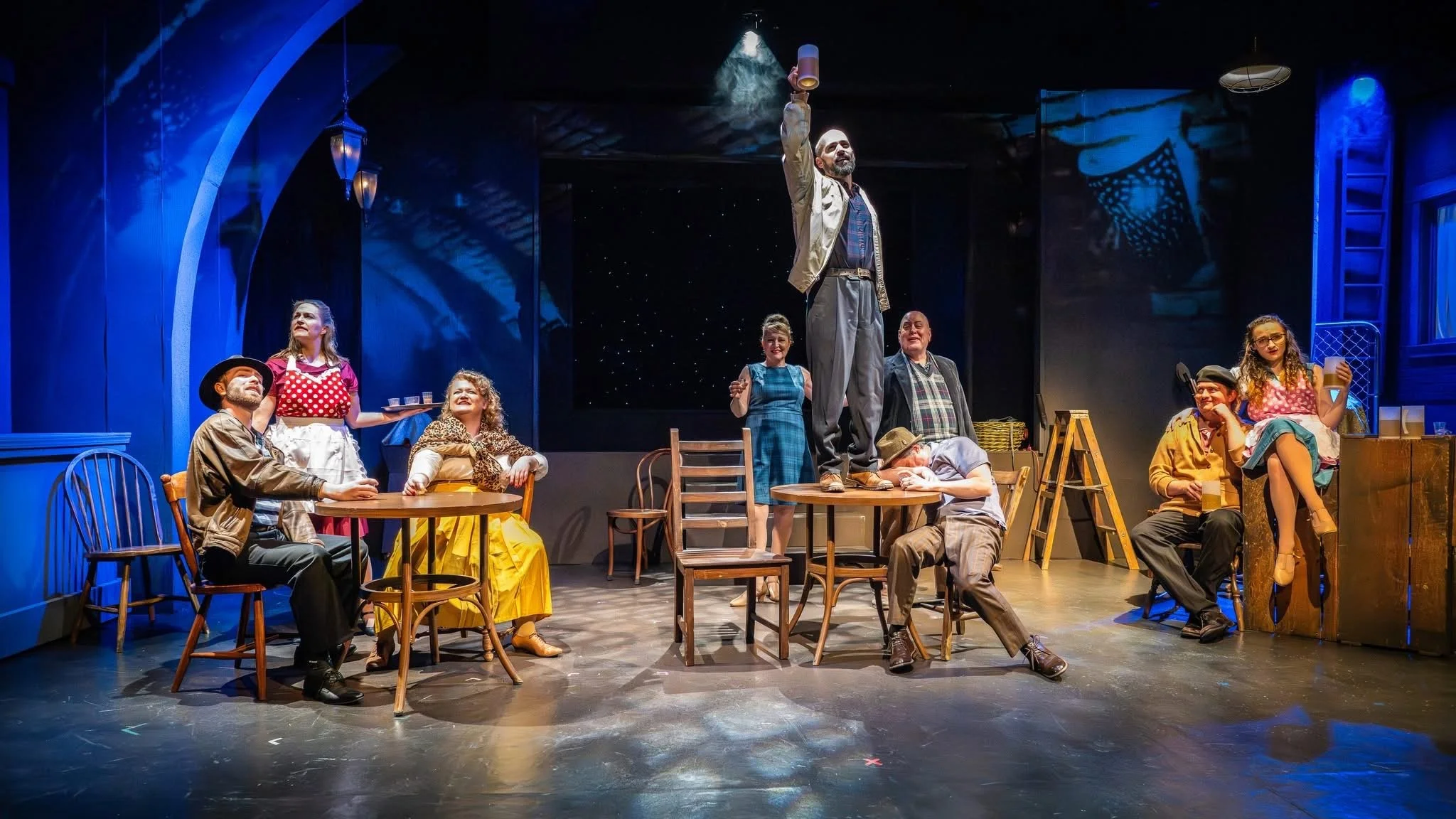
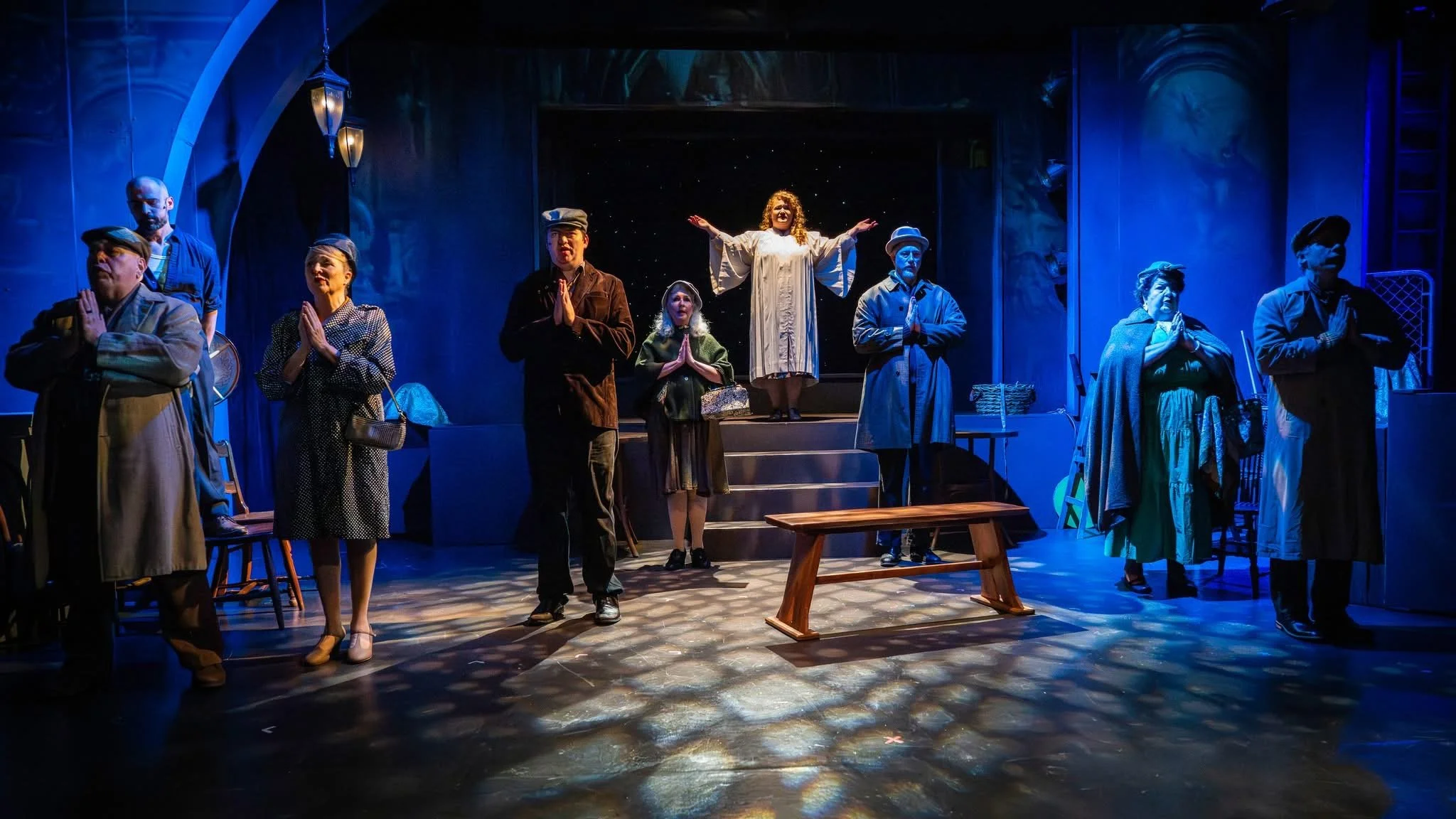
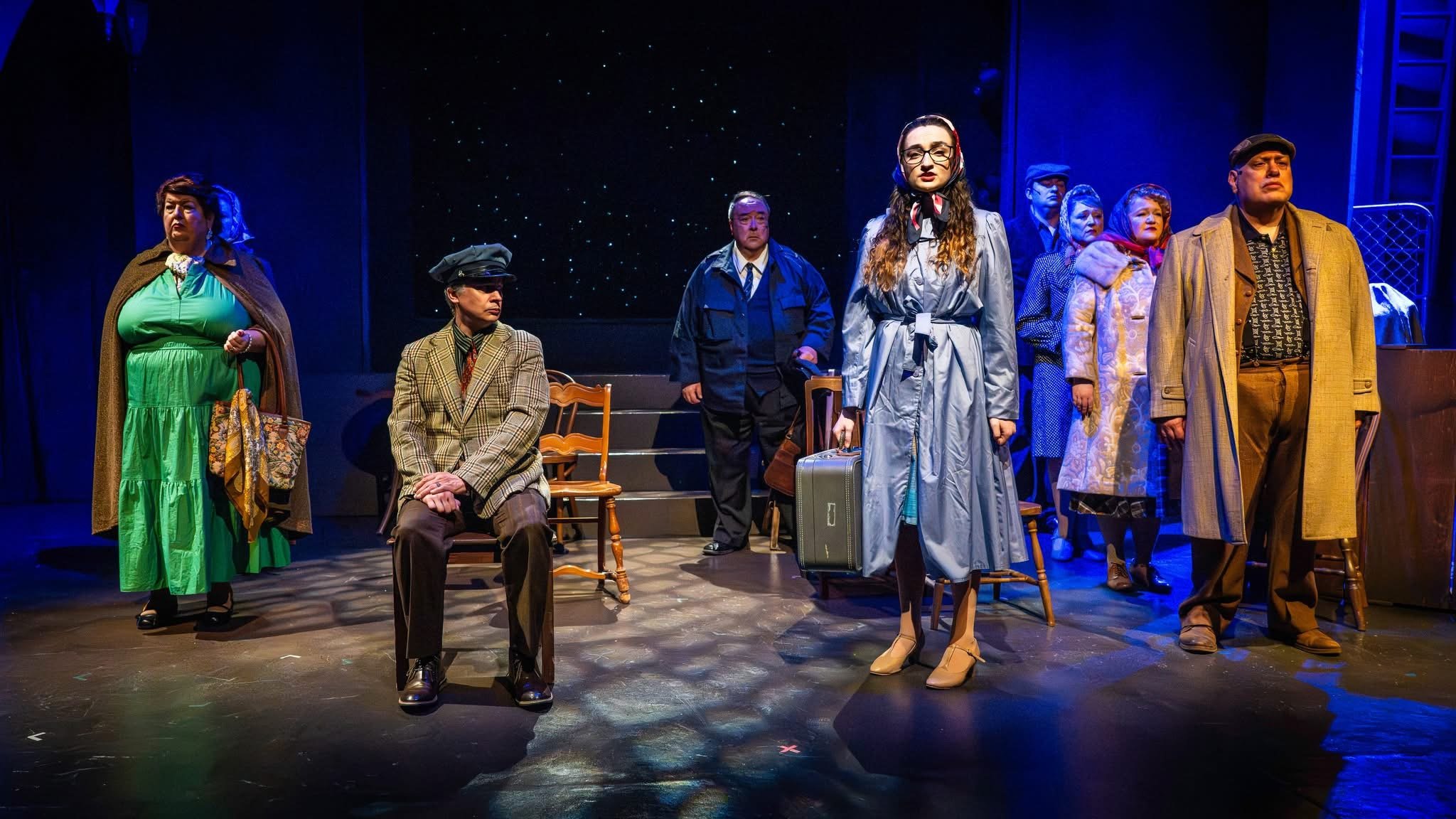
Mark Chenovick’s scenic design embraces simplicity, but does so intelligently. Rather than overcomplicating the visual world, the set and its props are flexible, allowing the same pieces and arrangements to evoke a church basement, a pub, city streets, and rehearsal spaces with relative ease. That adaptability keeps the story moving while maintaining the all to real and human atmosphere the musical needs. Mark’s lighting also deserves recognition, particularly in several quieter moments where isolated spotlights and softer stage washes create a sense of emotional isolation around Alfie. Those choices become especially effective during the more introspective musical numbers, helping frame the emotional vulnerability of the characters and allowing the heart of the story to come through clearly.
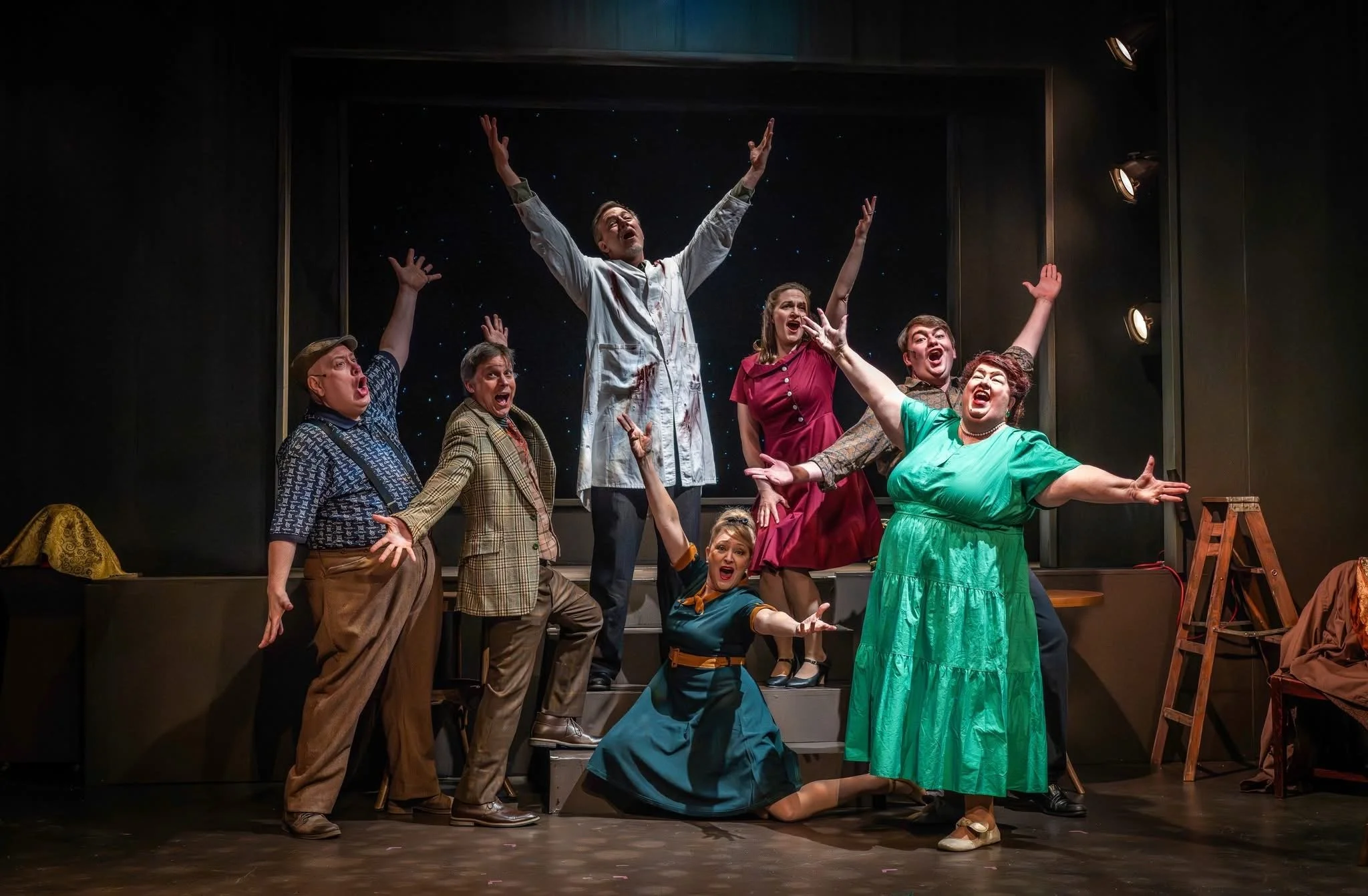
Musically, this production succeeds because of its performances, and especially its ensemble work. Gabe Mangiante’s music direction places strong emphasis on vocal harmony and storytelling through the music itself, and the result is a cast that sounds consistently connected. The harmonies are full and balanced throughout the evening, filling the space naturally without overpowering it. There could be a tendency to bring too much volume into such a small space, but this group exhibits a good amount of restraint, and with the exception of a few actors who felt a bit too loud at moments during Thursday’s performance, the balance works very well. The score itself shifts between humor, melancholy, and warmth, and the cast navigates those tonal changes effectively, particularly in songs like Love Who You Love and Welcome to the World, both of which land with considerable emotional weight.
The live band also deserves recognition for the role it plays in shaping the emotional atmosphere of the production. Under Gabe’s musical direction, Anthony Pooley on guitar, Quinn Knobbe on bass, Cameron Stedman on reeds, Kim Douglass on synth, Matthew Tevenan on cello, and Genevieve Warner on violin deliver a rich, polished sound throughout the evening. Beyond simply supporting the vocal performances on stage, the musicians become active participants in the storytelling itself, helping establish both the warmth and melancholy that define the score. The instrumentation feels intimate and appropriately scaled for the production, while subtle musical accents and occasional sound effects woven into the orchestration add additional texture and personality to the world of the play.
At the center of everything is Frank Kohel as Alfie Byrne, delivering a performance built on vulnerability, restraint, and sincerity. At the beginning of the musical, Alfie presents himself as hopeful, cheerful, and endlessly enthusiastic about the people and routines that make up his life. Frank captures that outward joy wonderfully, giving Alfie an almost disarming warmth and optimism as he moves through Dublin, talks about theatre, and interacts with the people around him. As the story unfolds, however, the audience gradually realizes that much of that brightness is superficial, functioning almost as a shield protecting Alfie from the loneliness, repression, and emotional pain he is actually carrying beneath the surface. That evolution is where Frank’s performance becomes especially compelling. Alfie is a complicated role because so much of the character’s emotional life exists internally, and Frank handles that conflict beautifully. His singing voice carries an emotional fragility that works exceptionally well for the material, particularly in quieter moments where Alfie’s uncertainty and isolation become most apparent. In numbers like Man in the Mirror and Welcome to the World, Frank allows the audience to fully see the fear, shame, longing, and eventual acceptance that define Alfie’s journey. There is a gentleness to his portrayal that makes the character deeply sympathetic from the outset, and makes his emotional arc hit harder than it might otherwise. Well done.
Serving as the emotional counterbalance to Alfie is Carrie Sleeper-Bowers’ Lily Byrne. Lily could easily become overbearing or overly sentimental, but Carrie finds the balance between frustration, love, protectiveness, and exhaustion that makes the relationship believable. She also brings a rhythm to her musical delivery that speaks directly to Lily’s steadiness, giving the character a calming and reassuring presence even during moments of emotional strain. Carrie captures the sibling relationship with Alfie exceptionally well, particularly the complicated mix of affection, responsibility, and concern that defines their connection. But it is in Lily’s capacity for love and forgiveness where Carrie’s performance truly reaches its high point. Her work during Tell Me Why becomes one of the emotional anchors of the production, allowing the audience to fully understand the years of sacrifice, compassion, and unconditional love that shape Lily’s bond with her brother.
One of the more interesting dynamics in the production comes through Doug Fahl’s dual portrayal of Carney and Oscar Wilde, two figures representing very different forces pulling at Alfie throughout the story. As Carney, Doug captures the rigid traditionalism and judgmental nature of the character without ever pushing him into caricature, while his Oscar Wilde carries a theatrical elegance and sly wit that work beautifully against Alfie’s internal uncertainty. The contrast between the two portrayals gives additional weight to Alfie’s emotional struggle and reinforces the thematic conflict between repression and self-acceptance.
Eilish Rhoades brings an emotional sincerity to newcomer to Alfie’s bus route Adele that makes her relationship with Alfie genuinely touching. Adele’s own struggles mirror Alfie’s in different ways, and Eilish approaches those moments with understated emotion rather than melodrama, allowing the character’s vulnerability to emerge naturally, and her vocals are superb. Meanwhile, much of the production’s energy comes from Adam Granato’s Robbie, particularly during The Streets of Dublin, where both the performance and staging create one of the evening’s strongest sequences. Adam brings charm and charisma to Robbie while still allowing the audience to recognize the character’s flaws and contradictions beneath his outward confidence.
Beyond the principal performances, the supporting ensemble contributes enormously to the success of the production. Loretta Deranleau Howard, Erin Carter, Jessica Vit, McKenna Milici, Alan Plaster, Max Lopuszynski, Shawn Torrey, and Doug Knoop help create the sense of community that is essential to the musical’s emotional payoff. Their interactions feel natural and believable, and the chemistry among the group allows the St. Imelda’s Players to feel like an authentic neighborhood theatre troupe rather than simply a collection of individual performances. That dynamic becomes one of the production’s greatest strengths because the audience ultimately understands why this community matters so deeply to Alfie. The group also performs their Irish accents very well, and while there is no dialect coach listed in the production credits, credit needs to be given to this aspect of their work here.
Creatively, while Mark handles the lion’s share of the design work, it is important mention Chris Nadine’s choreography and Bradetta Vines’ costume, along with the work of stage manager Tim Bartz. There’s nothing extraordinary about the costumes and choreography, but the work here is very strong and complements what Michael’s vision and the actors’ performances in a good way.
A Man of No Importance never treats its themes as abstract concepts. The story may deal with repression, identity, religion, and acceptance, but it always remains rooted in human relationships and emotional honesty. SecondStory Repertory’s production recognizes that balance and allows the quieter moments to carry just as much importance as the larger musical sequences. By the time Alfie reaches Welcome to the World, his emotional journey feels fully earned, and the show’s final moments land with considerable impact. In a world where people are still too often made to feel invisible or ashamed for simply being themselves, this musical remains remarkably relevant, and this production serves as a heartfelt reminder that there is tremendous power in simply allowing people to love who they love.
The SecondStory Rep production of A Man of No Importance runs on stage in Redmond through June 7. For more information, including ticket availability and sales, visit https://www.secondstoryrep.org/.
Photo credit: Michael Brunk