
Stage Review - Witch (Port Angeles Community Players)
Stage Review - Witch
Presented By: Port Angeles Community Players - Port Angeles, WA
Show Run: September 25 - October 11, 2026
Date Reviewed: Saturday, September 26, 2026
Run Time: 1 Hour, 45 Minutes (including a 15-minute intermission)
Reviewed by: Cathy Dodd
In Jen Silverman’s razor-sharp dark comedy Witch, the devil doesn’t arrive in a cloud of sulfur and brimstone; he comes carrying a figurative briefcase, pitching Faustian bargains like a smooth-talking corporate recruiter. This brilliant, anachronistic reimagining of a 1621 Jacobean drama flips the traditional morality tale on its head, turning a desolate early-modern village into a mirror for our own modern appetites. While the town’s ambitious and desperate men eagerly queue up to trade their souls for status and spite, it is Elizabeth Sawyer—the lonely local outcast already branded a witch by her neighbors—who presents the devil with his toughest negotiation yet. What follows is a fiercely intelligent, surprisingly tender battle of wits that asks a chillingly relevant question: in a world stacked against you, what is your soul actually worth?
At the heart of the production is the electric, subversively intimate dynamic between Elizabeth Sawyer and Scratch, the devil. Silverman strips away the centuries-old trope of the cackling hag, presenting Elizabeth instead as a fiercely practical woman whose only crime is refusing to perform the performative social graces required of her. When Scratch arrives expecting an easy mark, their encounters quickly morph from a transactional pitch into a gripping intellectual chess match. Scratch is captivated by her resistance, and Elizabeth is caught off guard by a supernatural being who treats her with more dignity than her human neighbors ever have. Meanwhile, the play’s B-plot provides a stark, comedic, and tragic contrast through the town’s men. Characters like the cutthroat Frank Thorney and the neglected Cuddy Banks represent the pathetic reality of human greed; they trade their eternal souls for remarkably petty earthly rewards—status, inheritance, and minor revenges—proving that the devil barely must work to expose human rot.
Director Rebecca Senne has assembled a terrific cast to portray this age-old tale. Let’s start with old Scratch.
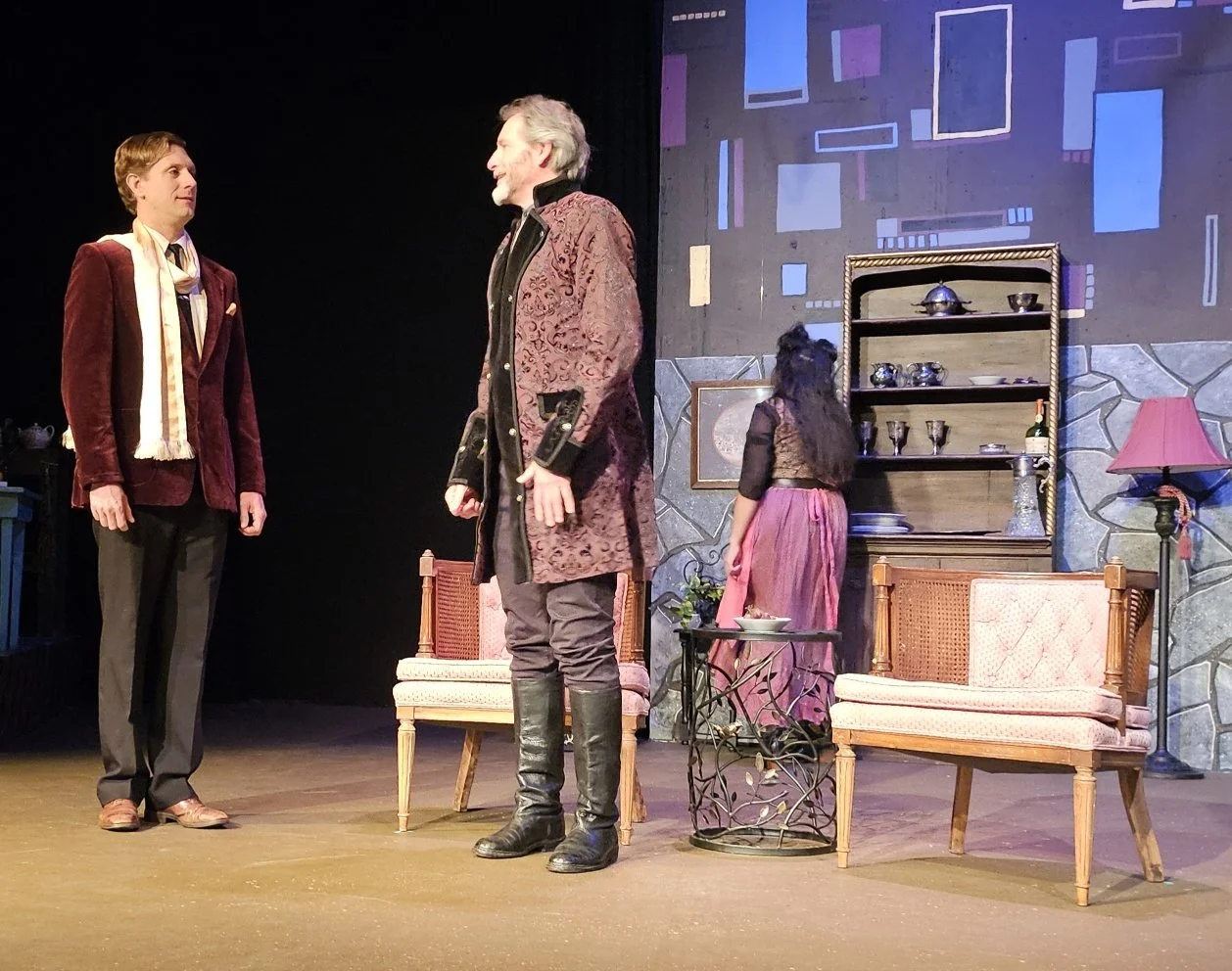
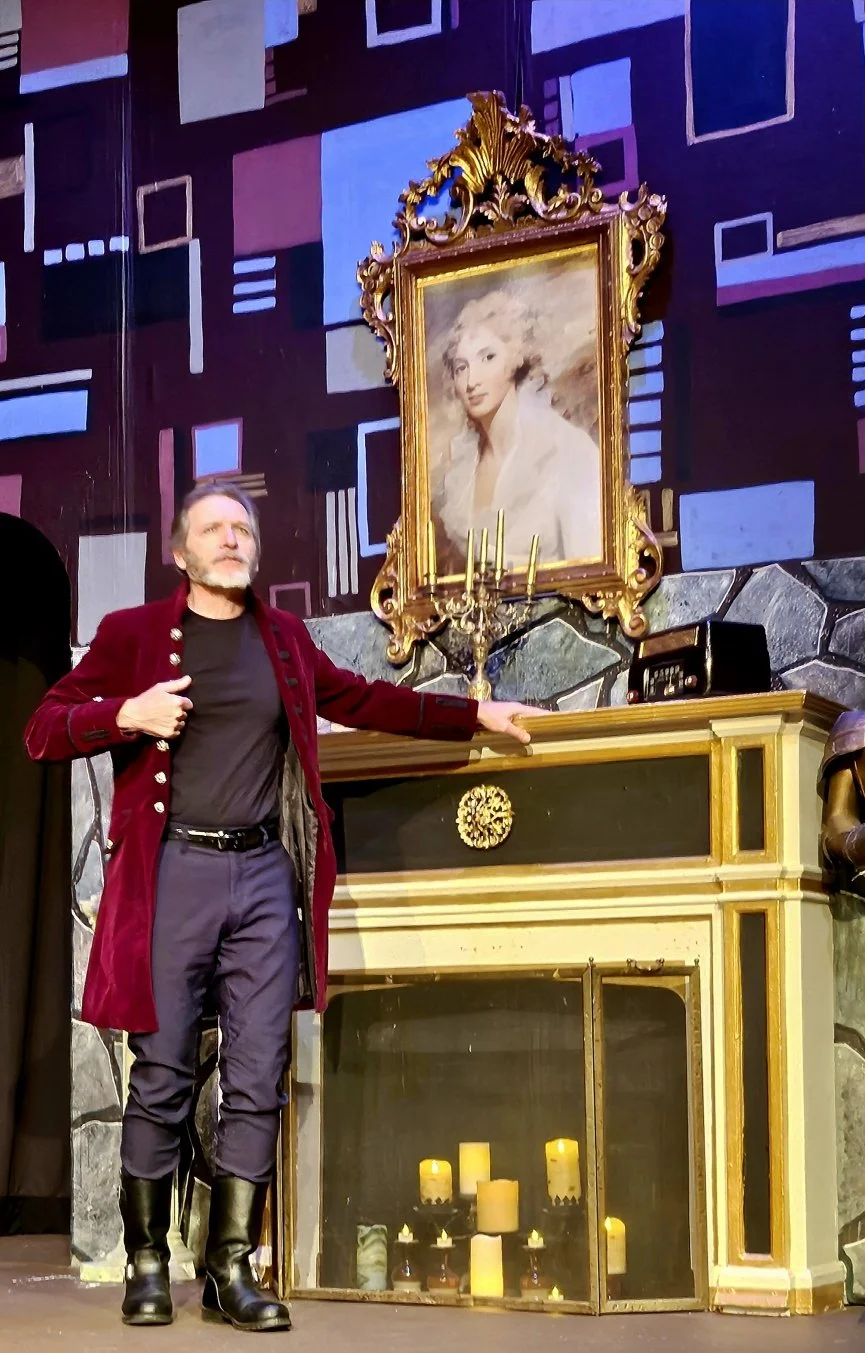
As Scratch, Zacharay Wiedenhoeft stole the show with a brilliantly nuanced and multi-layered performance. He effortlessly captured the dark, modern wit of the script, landing each comedic beat with precision. What made his portrayal truly exceptional though, was his ability to pivot seamlessly into moments of genuine, and surprising, empathy, creating a complex and remarkably human antagonist. Wiedenhoeft maintained a lovely chemistry with his cast members, matching the fast-paced dialogue beat-for-beat. He was the perfect foil to Elizabeth’s quiet resistance.
Sarah Tucker anchored the show with a highly focused and steady portrayal of Elizabeth. She captured the character’s guarded nature well, projecting the walls Elizabeth has built against the townspeople who have turned against her. This role is a very challenging and nuanced role for an actor. She is fiercely independent and emotionally guarded, yet she possesses a quiet power. For my tastes, Tucker played Elizabeth a bit too passively. Had she peeled back those layers a bit more to let the audience fully glimpse Elizabeth’s inner warmth and strength, she would have fully unlocked the character’s true complexity. Finding opportunities to lean further into Elizabeth’s moments of righteous anger or wry humor would have also brought even more depth to Tucker’s already striking and compelling role.
The part of the Winnifred was played admirably by Chelsea Doyle, who began the show by singing a lovely ballad, setting the mood for the entire show. Winifred holds a massive amount of hidden resentment – and rightfully so, as we come to know. Doyle provided a solid, empathetic foundation as the secretive maid. She played the character’s desperation beautifully, making her a very sympathetic figure. Finding opportunities to channel a bit more raw, explosive anger into her outbursts in the latter parts of the play would elevate her performance. I also found her timing just a wee bit off in places. If she dropped items a second sooner, come in a second sooner, etc., her character would have been perfect.
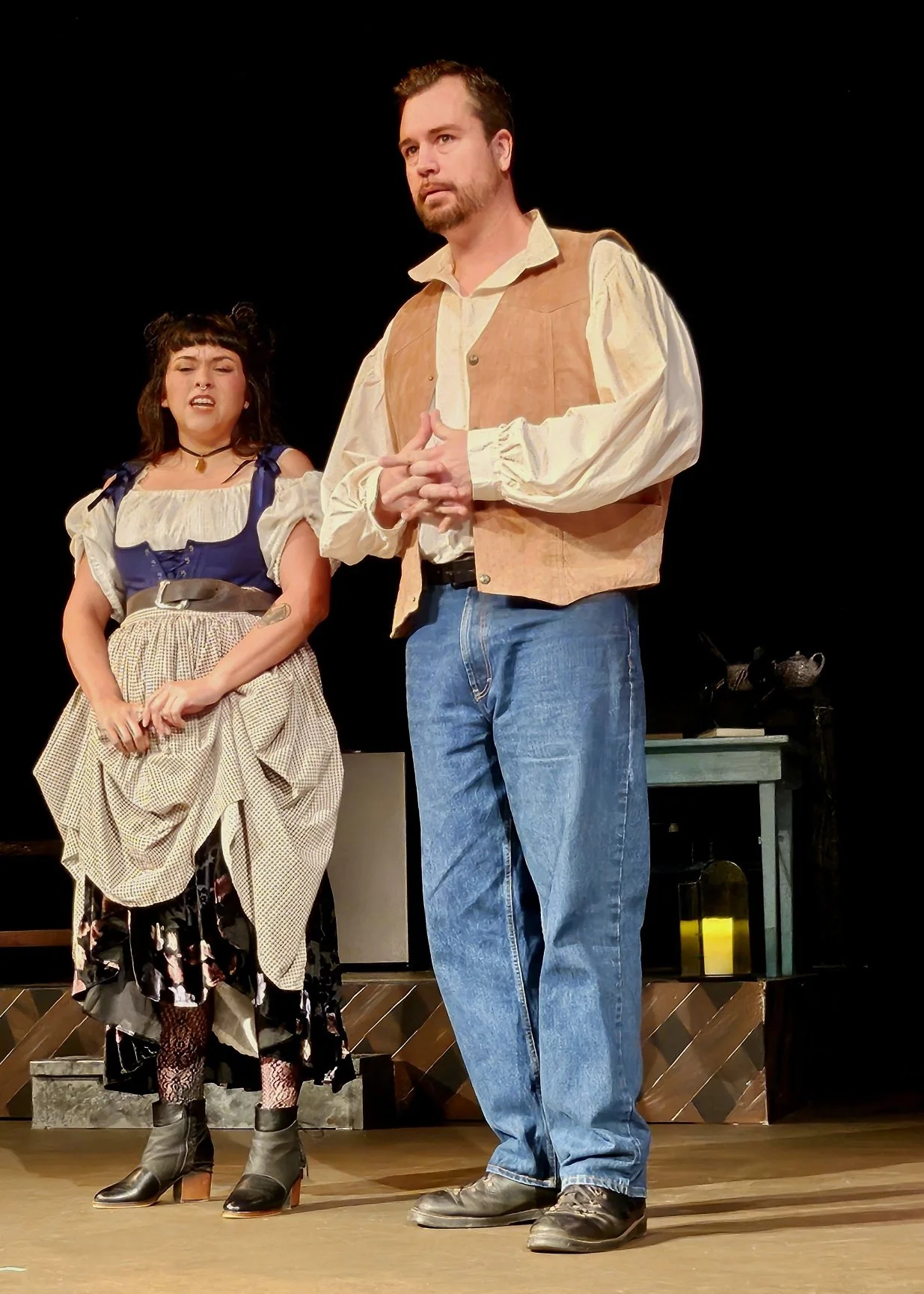
Randy Powell delivered a powerhouse performance as Frank, a poor farmer’s son who is confident, successful and consumed by limitless ambition. Powell perfectly captured the desperate, hyper-competitive ambition of the character, leaning into Frank’s alpha-male posturing with hilarious results. Knowing exactly when to push the energy and let a punchline land, Powell turned Frank into a delightfully frantic character the audience loved to watch.
As Cuddy, Justin Stapleton was a comedic triumph, matching physical comedy with sharp wit. His portrayal of Sir Arthur’s eccentric Morris-dancing son was both very funny and wonderfully weird. Stapleton possessed an awareness of his own physical presence on stage, landing every awkward stance, dance step and absurd line with precision. He brought a unique, vibrant energy to the production that kept the audience laughing.
Rick Mischke gave us a measured, thoughtful interpretation of Sir Arthur Banks. Banks is a wealthy, powerful and deeply self-involved man who desperately wants to secure his family’s legacy. Instead of a bombastic tyrant, Mischke chose to portray Banks’ underlying anxiety about his legacy, as an accessible and recognizable character. Mischke looks and acts the part of a well-heeled member of the aristocracy. Pushing for a bit more aristocratic entitlement and adding some vocal dominance in his interactions with Frank and Cuddy would beautifully heighten the stakes of the family dynamic.
Zaq Westerberg is the seventh member of this talented cast. The live and often original score by the always off-stage pianist-composer was a magnificent addition to the production. His fitting, evocative compositions perfectly captured the distinct, genre-bending tone of Jen Silverman’s script, adding a rich layer of depth and theatrical magic to the performance.
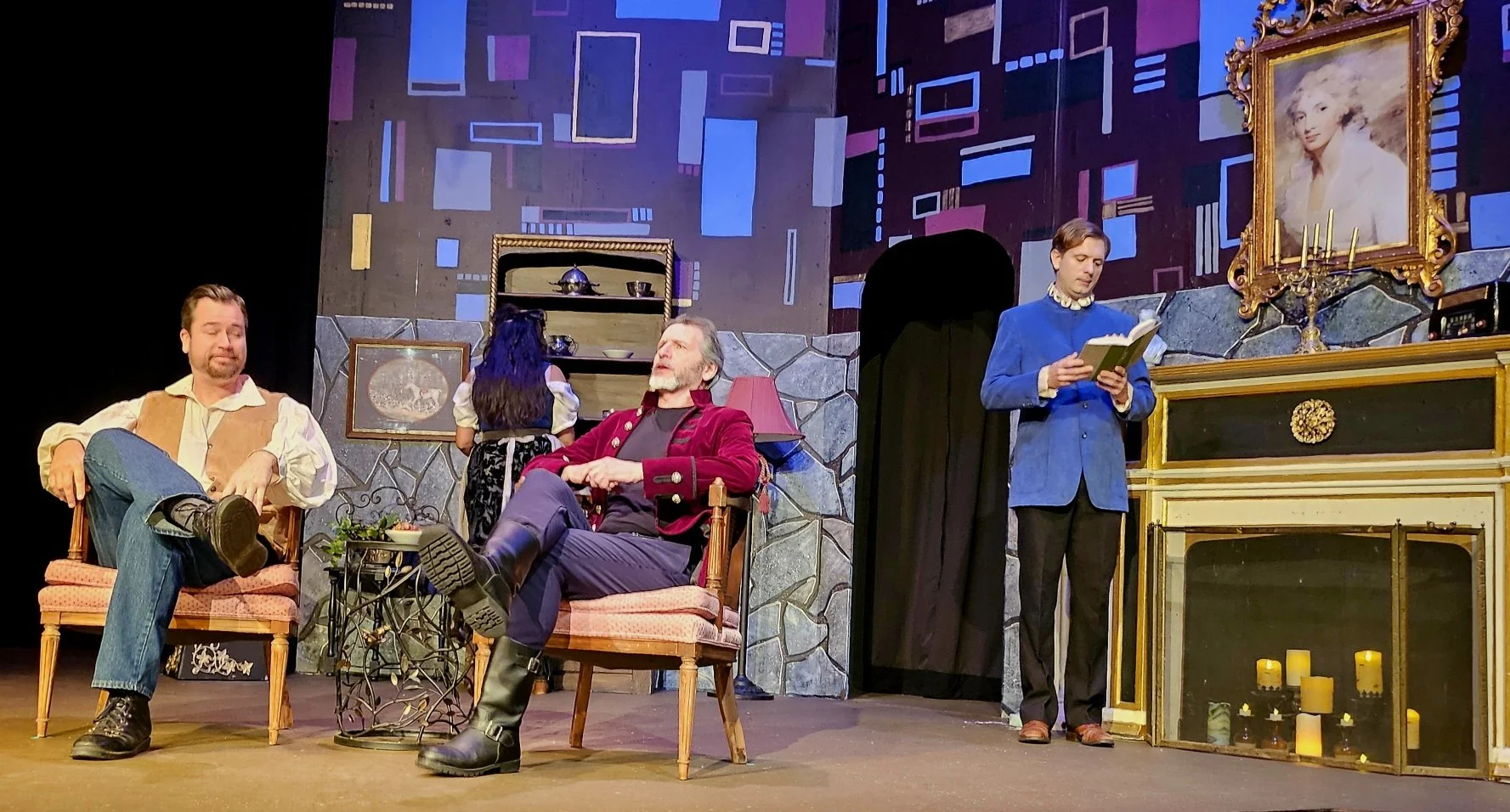
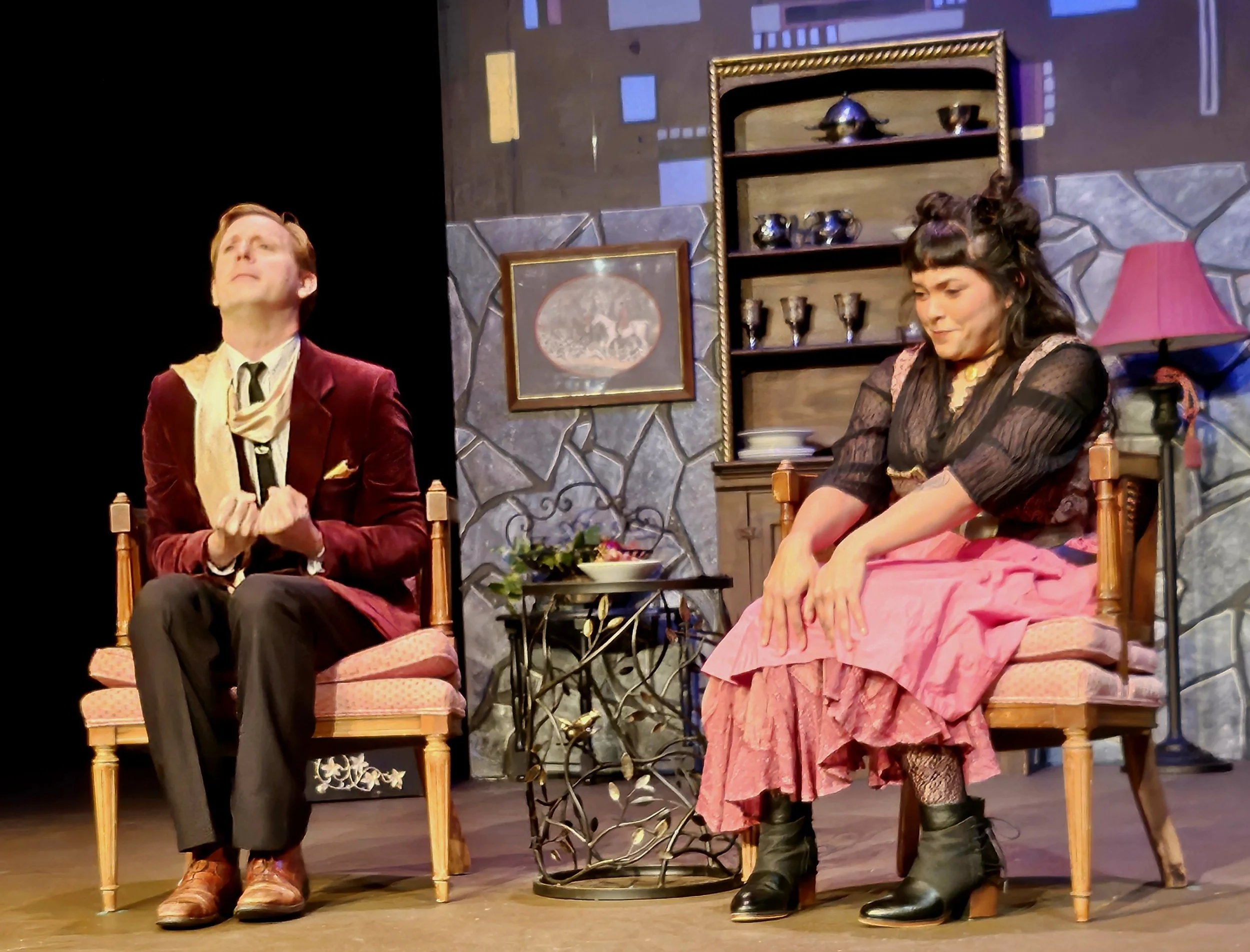
Senne’s interesting split-set design also worked beautifully. It provided a striking visual framework for the story. With the humble hovel on one side and the wealthy estate on the other, the set perfectly mirrored the show’s preoccupation with privilege and power. Grounding Scratch’s central interactions with Cuddy and Frank down center stage anchored the play’s moral conflicts beautifully by providing the perfect, intimate neutral zone that naturally drew the audience to feel right in the thick of the Devil’s seductive bargains.
The eclectic wardrobe choices were a perfect match for the show’s genre-defying tone. The visually striking mix of historical Elizabethan pieces and modern clothing felt entirely deliberate and fit the style of the production beautifully. It added an extra layer of wit and flair, helping the actors bridge the gap between a 17th century village and a very modern comedy.
An additional round of applause goes to Director Rebecca Senne for crafting a visually striking and wonderfully energetic production. Her clever utilization of the split-stage layout and sharp focus on character relationships allowed the narrative to move with very nice momentum. I may have even noticed a nod to the Austrian symbolist artist Gustav Klimt in the wallpaper….
Senne clearly understood the genre-bending soul of Witch, creating an immersive atmosphere where brilliant comedy and quiet dramatic beats could both shine.
Playwright Silverman’s masterful use of anachronistic dialogue serves as the play's engine, bridging the gap between "then-ish" England and the contemporary present. By stripping away archaic phrasing and replacing it with punchy, colloquial speech, the script highlights how little human nature has changed over four centuries. The central themes of societal marginalization and gender politics ring devastatingly loud. The village has already condemned Elizabeth to a social death long before the devil arrives, proving that society creates its own monsters out of fear of the independent outsider. Ultimately, Witch functions as a profound exploration of systemic despair. It forces the audience to consider the ultimate cost of ambition in a world that requires the marginalized to compromise their humanity just to survive.
Ultimately, Witch is a genre-bending triumph that manages to be simultaneously hilarious, heartbreaking, and deeply unsettling. By breathing vital new life into a forgotten Jacobean classic, Jen Silverman has crafted a dark comedy that refuses to offer easy answers about morality, choice, or redemption. It is a production that lingers in the mind long after the final blackout, challenging us to look closely at our own modern compromises. PACP players do a wonderful job conveying this message loud and clear.
The Port Angeles Community Players production of Witch runs through October 11. For more information, including ticket availability and sales, visit https://pacommunityplayers.org/.
Photo credit: Cathy Dodd